
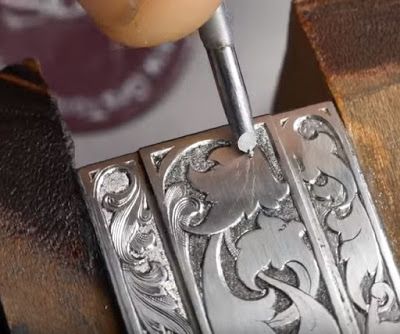
If you are determined to start a new productive activity, which will bring you satisfaction, and engraving is the first option you want to consider, then you have just made an excellent choice! Besides the fact that you will get many sympathetic works, which you can learn in the house, give a gift or sell, you will increase your skill, patience, but also the level of discipline. In this article you will be able to discover more details about engraving techniques, which can help you better understand this activity.
Engraving techniques for high print
Being the oldest engraving technique, which consists in the toothpick in linoleum – in the case of linographs or a wooden blog – as for xylograph, this type of engraving is a very special one, which has a pretty simple mechanism. When the image was made by hollow, all you have to do is apply a uniform and thin ink layer with a special roll, and then print it on paper. Below you have some details about the specific process of linographs, but also the xylograph, therefore, read for more useful information.
Linocarn
Thus, linograph consists in the reproduction and multiplication of a drawing made on a linoleum plate, with the help of a chisel, being covered with typographic ink and passed through the engraving press. These colors of the ink can be based on linen oil, which have a slower or water -based drying, with faster drying and easier cleaning. It is uniformly applied, in the form of a fine layer with the help of a rubber roller.
Woodcut
On the other hand, xylograph involves engraving the drawings on a straight wood surface, being a printing technique where the wood is used exactly as a stamp. And here the toothpaste is covered with the help of a rubber roller by applying an ink layer, the next step being to print the drawing on paper. If you want a work that keeps the details printed more accurate, then call on wood, because it resists more pressure compared to linoleum. Thus, you can get various wooden decorations, which you can enter inside your house, without problems.
Also known as Intaglio, which means «incision» in Italian, the deep pattern consists in incision of an image on a metal plate, such as aluminum, copper or zinc, so that the ink will be retained in it, to get the negative on the paper of that image. This is done mechanically, with the engraving or chemical chisels, through acidic solutions, depending on the desired result.
Engraving techniques for deep print
Also known as Intaglio, which means «incision» in Italian, the deep pattern consists in incision of an image on a metal plate, such as aluminum, copper or zinc, so that the ink will be retained in it, to get the negative on the paper of that image. This is done mechanically, with the engraving or chemical chisels, through acidic solutions, depending on the desired result.
Traditional engraving
This type of engraving appeared in the Middle Ages, being the most common and old technique of Intaglio. A very well -known technique of traditional engraving is that of the dry point, where the image is formed by scratches made with a engraving needle on a metal plate, especially copper.
Intaglio
On the other hand, in the case of engraving with acids, you have more spontaneity. The technique in this situation is to cover a metal plate with a thin layer of asphalt, which resists acid, called the engraving primer, after which, with the help of an engraving needle, the image will be made on that surface. In the end, the plate will be inserted into a acid bath that will «bite» the present lines, obtaining darker and deeper lines. Here, you can use one of the two well -known techniques, that is, aquity or mezzoratory.
Aquatue technique
With the help of this technique you can produce tonal effects, more than lines, using acid, because it mimics the drawing in the cough, being used to play the clouds.
Mezzorata technique
Being a monochrome type process that is part of the Ileglio family, the mezzorata represented the first printing process from which semi-tones resulted, without the need to use those techniques that are based on points or lines, such as the line or the hatch.
Grading techniques for plane print
Next, the next engraving pattern is the plane, being known for the technique called «lithography».
Lithography
Being a versatile printing environment with which you can get various effects, from sharp lines, such as those of the pencil, to thin washes, as in the case of watercolor, lithography is a engraving procedure through which you can make a drawing on the surface of a stone, generally limestone, being reproduced after printing on paper.
Materials needed for engraving
For engraving, you will need, first of all, the engraving paper, which differs from the usual one for drawing or painting. Of course, you can use classic paper, but the results will not be as good. Next, the engraving tools, such as chisels, burin, roulette, rubber roller or even scraper are indispensable. The special colors for engraving also play a fairly important role in the final result obtained, so it takes into account the technique you want to call, to choose these colors correctly. For example, in the case of high print technique, you will have a choice between oil -based colors or water -based colors.
Types of surfaces for engraving
As a brief recap, the surfaces of which you have to choose for engraving are linoleum – in the case of linographs, wood – for xylograph, aluminum, zinc or copper plates for traditional engraving and, last but not least, the stone – for lithograph. Depending on the result you want to get you choose accordingly and enjoy the whole process!
In conclusion, the art of engraving is a special one, which is worth a try, at least once, if you want to leave your mark on the objects around you, giving them a personal note. As you experience, you will be able to see how things will become easier, and you will get the most beautiful works
Latest Posts Published

The assets of the ironwork style for your gate
What elements influence the price of fuel oil?

Yucca with drooping, yellow, dry, brown leaves at the end or that loses its leaves: what to do?
How to choose tiles that you will not tire

Debout, kitchen and dining table

The advantages of combined electricity and gas offers

When and how to plant an avocado in a pot: maintenance, watering, exposure, repotting

5 ideas for arranging the basement of a house

How to choose a floor wash robot
