
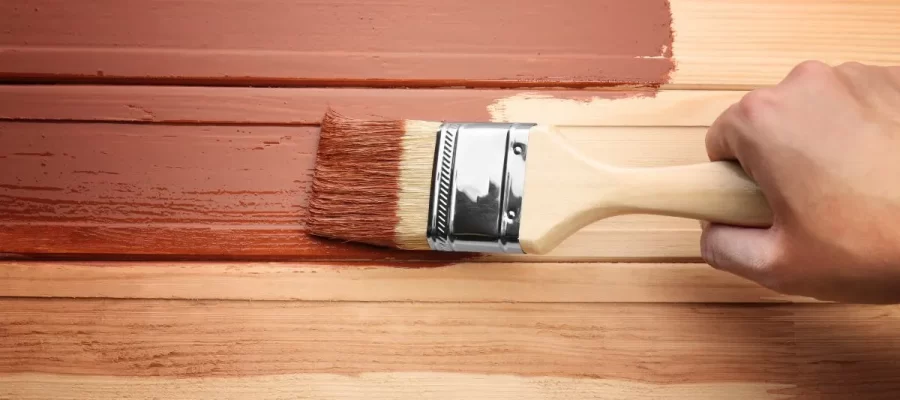
When you are looking to create the perfect color for your artistic or design project, brown is an essential color that offers incomparable depth and sophistication. Understanding with which colors to mix to get a perfect brown can transform your creations and offer new dimensions to your achievements. This article guides you through color mixing techniques in order to master the art of producing the ideal brown nuance. We will explore the basic colors to mix, the adjustments for different tones, and how to avoid current errors.
Use of primary colors to obtain a balanced brown

Brown is a complex color that can be obtained by combining primary colors: red, blue, and yellow. The proportion of each color influences considerably on the nuance of brown that you will get. For example, mixing red and yellow gives an orange, and then adding blue, you will reach a more classic brown. The fundamental principle is based on the balance of warm and cold colors. Too much blue can transform your brown into a duller and dark shade, while red can make it warmer. Experimenting with these combinations will allow you to find the exact tone you are looking for.
Influence of light and saturation on the nuances of brown
Light plays a crucial role in the way we perceive colors. By mixing colors to get a brown, think of the ambient light in which your creation will be seen. An addition of a small amount of white to your mixture can create a lighter brown, ideal for well -lit environments. A more saturated shade could require only a little black to give more depth without compromising the basic color.
Personal interpretation and artistic adjustments
The beauty of the brown lies in its versatility. You can adjust your mixture depending on the expression or emotion you want to convey. Adding a hint of green can give a more organic and natural shade, recalling the earth or the wood. This can be particularly effective in landscape paintings or interior design projects seeking to evoke a feeling of nature and serenity.
Mix with complementary colors for a rich brown
Another method for obtaining nuances of brown is to use complementary colors. The principle of complementary colors involves mixing opposite colors on the chromatic circle. For example, red and green are complementary and combine to create a deep and vibrant brown. This technique is particularly useful for artists wishing to add more contrast and dramatism to their works, because complementary colors are very visually reinforced.
Connect emotions with complementary colors
Complementary colors are not only a technical tool, they also have emotional meaning. Brown created from red and green can evoke sensations of stability and vitality, suggesting connections with nature. Understanding these subtleties can improve your ability to communicate precise messages through your art or design.
Practical techniques to test your mixtures
Before embarking on major projects, test your mixtures on a palette or a sheet of paper. This will allow you to adjust the proportions and develop a range of nuances. Remember that each paint color has its own properties; Some may be more opaque or transparent, which will affect the end result. Working on a small scale offers a risk -free experience and an opportunity for creative experimentation.
Choose the right colors for different brown applications
When you explore the ways to mix colors to get brown, it is essential to take into account the context of your project. For example, in the field of graphic design, a warm and welcoming brown can be used for brands of food or well-being products, while a dark and rich brown can suit fashion or luxury. In the interior design, a soothing brown can create a comfortable and inviting atmosphere, perfect for a library or a living room.
Adaptation to cultural and symbolic variations in brown color
In some cultural contexts, brown is associated with themes of rusticity and simplicity, while in others, it can represent sophistication and elegance. When selecting shades, consider cultural perceptions to ensure that your work resonates correctly with your target audience. This cultural consciousness will enrich your aesthetic and conceptual compositions.
Maintain a harmonious palette while using the brown
For the brown harmoniously to work with other colors in your palette, it is important to think of the general balance. A good way is to choose shades that share the same color temperature. For example, if you use hot brown tones, they will get married well with other warm colors such as red and orange. Respecting these principles ensures a coherent and visually pleasant aesthetic.
Create a perfect finish with the last nuance of brown
Mastering the mixture to obtain a perfect brown is an essential asset for any artist or designer. Whether you use primary or complementary colors, or seek to adjust the tone depending on the emotion or the cultural perimeter, each method has its place in the art of color creation. Understanding these concepts not only makes it possible to answer the question «what color mix to obtain brown», but also to arm yourself with the skills required to enrich your creative compositions and establish authentic emotional connections through your art. Experience, practice and let yourself be guided by your artistic intuitions to fully exploit the potential of this versatile color.
Latest Posts Published

The assets of the ironwork style for your gate

What elements influence the price of fuel oil?

Yucca with drooping, yellow, dry, brown leaves at the end or that loses its leaves: what to do?
How to choose tiles that you will not tire

Debout, kitchen and dining table

The advantages of combined electricity and gas offers

When and how to plant an avocado in a pot: maintenance, watering, exposure, repotting

5 ideas for arranging the basement of a house

How to choose a floor wash robot
