
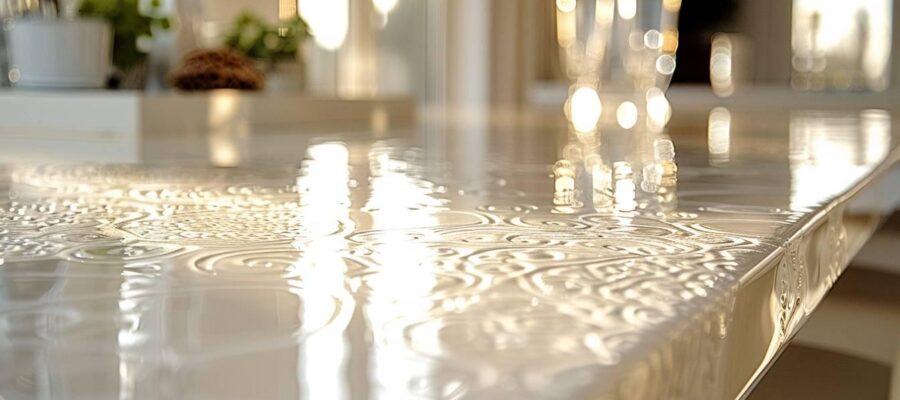
Ceramic tables are increasingly popular for their contemporary design and ease of maintenance. However, before investing in this type of furniture, it is essential to take into account certain drawbacks linked to the ceramic table. In this article, we will present the main weaknesses of ceramic tables to help you make an informed choice when purchasing.
The high price of ceramic tables
The first drawback to consider is the cost of a ceramic table. The materials used for the manufacture of these tables are often expensive, which leads to a high sale price. In comparison with other types of tables, such as those in wood or glass, ceramic tables can be much more expensive. It is therefore important to properly assess your needs and budget before you start buying a ceramic table.
The fragility of ceramic plates

Ceramic tables are made up of plates that can be relatively fragile. Although the ceramics are resistant to scratches and stains, it can crack or break if it undergoes a violent impact. This means that you will need to be cautious when handling the table and avoiding heavy or sharp objects that could damage the surface. In addition, it is important to make sure not to strike the angles of the table with other objects, as it could also cause cracks or bursts.
High repair costs
Due to the fragility of ceramic plates, repair costs can be significant if an accident occurs. In some cases, it may even be necessary to fully replace the plate, which represents a significant additional cost. It is therefore essential to take these potential costs into account when choosing a ceramic table.
The weight of ceramic tables
Ceramic tables are generally heavier than wooden or glass tables, which can be problematic when it comes to moving or transporting furniture. If you plan to move frequently or if you just want to reorganize your interior regularly, it may be wise to opt for a lighter and easy to handle table. In addition, the significant weight of ceramic tables can also be a problem on certain soil surfaces, especially those that are sensitive to pressure or weight.
The difficulty in finding a specific color or pattern
Another potential drawback of ceramic tables is that it can be difficult to find a specific color or pattern to harmonize with your interior decoration. Unlike wooden tables, which can be painted or tinted to match your style, ceramic tables are generally available in a range of more limited colors and patterns. It is therefore important to be flexible in your decoration choices or to look for a model that will adapt well to your space.
The risk of discoloration
Finally, it should be noted that certain ceramic tables may have discoloration problems over time. Although this is not systematic, prolonged exposure to sunlight can cause alteration of colors and patterns of the table. If you want to keep the initial aesthetics of your ceramic table, it may be necessary to consider solutions to protect the surface from UV rays, such as using a veiling or parasol.
Assessment: weighing the pros and cons before buying a ceramic table
The ceramic tables undoubtedly have advantages such as their modern design and their ease of maintenance. However, it is essential to be aware of the drawbacks linked to this type of furniture before making a purchasing decision. The high cost, the fragility of the plates, the significant weight and any discoloration problems are all factors to consider when choosing a ceramic table. Take the time to assess your needs and constraints to determine if this type of table is the best choice for your interior.
Conclusion
In conclusion, ceramic tables offer a modern and stylish option for any living or dining space, combining aesthetic appeal with practical benefits such as ease of cleaning and durability. However, as with any furniture choice, it is essential to be aware of potential drawbacks to make an informed decision. Understanding these limitations ensures that your investment not only enhances your interior design but also meets your functional needs over time.
One of the main considerations when choosing a ceramic table is its susceptibility to chipping or cracking under heavy impact. While ceramic surfaces are generally strong, they can be more fragile compared to wood or metal when subjected to sudden or excessive force. Additionally, ceramic tables may be heavier than alternative materials, which can make moving or rearranging furniture more challenging. Awareness of these factors can help in planning the placement of the table and adopting protective measures, such as using coasters, placemats, or careful handling during transport.
Despite these potential drawbacks, ceramic tables remain a highly attractive option for those who value style, modernity, and low-maintenance surfaces. Their sleek designs complement various décor styles, from minimalist and contemporary to eclectic, making them a versatile choice for different interior environments.
Ultimately, selecting a ceramic table is about balancing its aesthetic and functional advantages with the practical considerations of durability and care. By understanding both the benefits and limitations, homeowners can confidently choose a piece that enhances their space, fits their lifestyle, and provides lasting satisfaction. In this way, a ceramic table becomes not just a piece of furniture but a thoughtful addition to the home.
Latest Posts Published

The assets of the ironwork style for your gate
What elements influence the price of fuel oil?

Yucca with drooping, yellow, dry, brown leaves at the end or that loses its leaves: what to do?
How to choose tiles that you will not tire

Debout, kitchen and dining table

The advantages of combined electricity and gas offers

When and how to plant an avocado in a pot: maintenance, watering, exposure, repotting
5 ideas for arranging the basement of a house

How to choose a floor wash robot
