
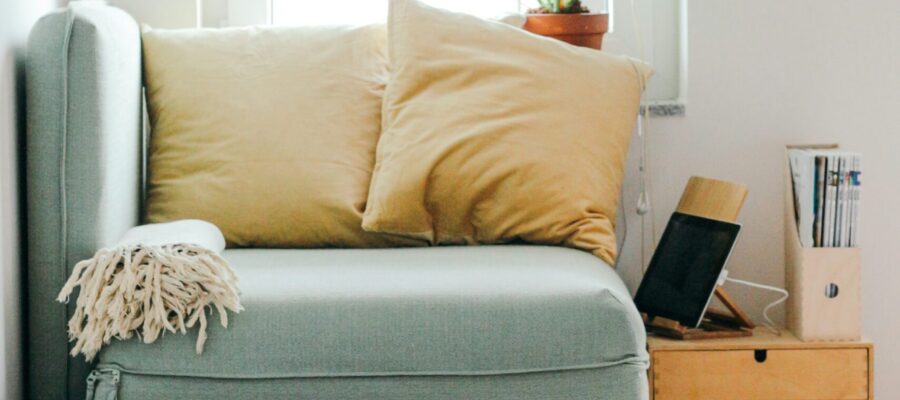
In a world where sustainability is becoming more and more important, more and more people are looking for ways to turn their homes into environmental spaces. Creating a sustainable space at home not only helps the planet, but it also contributes to a healthier and more balanced lifestyle. In this article, we will explore some practical ideas to integrate sustainability in the interior design of your home.
1. Choose natural and recyclable materials
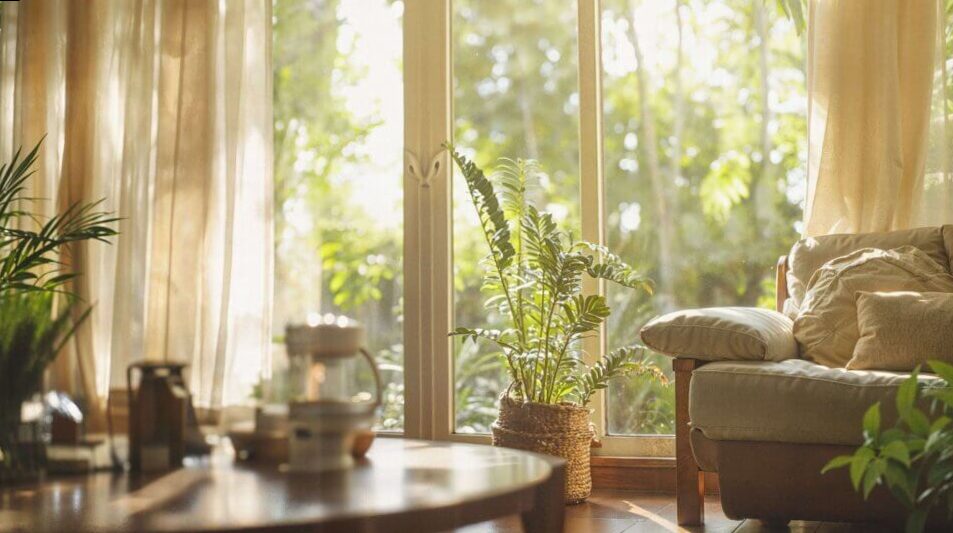
An essential step to create a sustainable space is to opt for natural, durable and recyclable materials. FSC certified wood, bamboo, rattan or natural stone are excellent choices for furniture and decorations. Advice: Choose natural wood frames for personalized paintings or photo collages. These not only look good, but they are also environmentally friendly.
2. Invest in quality decorations, durable
A key principle of sustainability is to buy less, but better. Opt for decorative parts that are made of quality materials and can withstand the test of time.
Example:
- Personalized Canvas paintings They are an excellent choice – not only add personality to your house, but they are also durable.
- Organic cotton textiles or can be used for curtains, pillows or carpets.
3. Reuse and reinvent
Instead of always buying new objects, try to reuse what you already have or to reinvent old pieces. For example:
- It transforms an old frame into a personalized painting with a special photo.
- Use recycled jars or boxes to create decorative supports or pots for herbs.
4. creates a green wall
The integration of plants into the interior design not only improves the quality of the air in the house, but also adds a splash of your space. You can create a green wall using climbing plants or suspended pots.👉 Advice: Complete the natural decoration with abstract or minimalist paintings that reflect nature – colors such as olive green or beige.
5. Choose Energy Effective Lighting
Lighting plays an essential role in a sustainable space. Replaces traditional bulbs with energy efficient LEDs and uses natural light as much as possible.
Practical ideas:
- Use mirrors to reflect natural light and make rooms look brighter.
- Choose lamps made of recycled materials for added originality.
6. Personalize the space with eco-friendly decorations
A sustainable space does not have to be lacking personality. Personalized decorations made of environmentally friendly materials can bring uniqueness to your home. Suggestions: It integrates personalized photo collages that combine special photos with inspirational messages – these are perfect to bring a personal note without adversely affecting the environment.
Conclusion
Creating a sustainable space at home is not just a trend – it is a responsibility that we have towards the planet and for ourselves. By choosing natural materials, reusing existing objects and investing in sustainable decorations, you can turn your home into a friendly environment with nature. If you choose Canvas paintings, photo collages or other eco-friendly decorative elements, every detail matters. Turn your home into a space that reflects your values and contribute to a greener future!
As sustainability becomes an essential value in modern living, more homeowners are recognizing the importance of integrating eco-friendly practices into their interior design. Creating a sustainable home is no longer a luxury or a niche trend—it’s a responsible and impactful choice that benefits both the environment and personal well-being. By making conscious decisions about the materials we use, the energy we consume, and the products we bring into our living spaces, we contribute to a healthier planet and a more balanced way of life.
Incorporating sustainability into home design doesn’t mean sacrificing style or comfort. On the contrary, it opens the door to creativity and innovation. From choosing recycled or locally sourced materials to embracing natural lighting, energy-efficient appliances, and low-VOC paints, each choice reflects a deeper commitment to reducing our environmental footprint. Even small steps, such as upcycling furniture or opting for durable, long-lasting items over disposable ones, can make a meaningful difference.
Moreover, sustainable design often promotes a more mindful and clutter-free lifestyle. When we prioritize quality over quantity and function over excess, we create spaces that are not only beautiful but also intentional and calming. This shift toward simplicity and purpose contributes to our physical and mental health, fostering a deeper connection with our surroundings.
In the end, designing a sustainable home is about aligning your living environment with your values. It’s about creating a space that respects nature while nurturing your well-being. With thoughtful planning and a willingness to adapt, anyone can transform their home into a haven of sustainability—proving that style and responsibility can go hand in hand.
Latest Posts Published

The assets of the ironwork style for your gate

What elements influence the price of fuel oil?

Yucca with drooping, yellow, dry, brown leaves at the end or that loses its leaves: what to do?
How to choose tiles that you will not tire

Debout, kitchen and dining table

The advantages of combined electricity and gas offers

When and how to plant an avocado in a pot: maintenance, watering, exposure, repotting
5 ideas for arranging the basement of a house

How to choose a floor wash robot
