
Key points
- The Isabelle cat is known for its tricolour coat, usually combining black, ginger, and white.
- It is not a breed, but a coat pattern linked to genetics and found in many different cats.
- Most Isabelle cats are female; the rare males often have a chromosomal anomaly.
- Their personality varies from cat to cat and depends far more on socialisation, environment, and life experience than on coat colour.
Find the best health insurance for your cat
Isabelle cat: personality, behaviour, and lifestyle
Discover the main traits of the Isabelle cat, from temperament to behaviour and everyday life.
What is the Isabelle cat’s personality like?
The Isabelle cat can have a very different temperament from one individual to another. Some are especially close to their family and seek out interaction, while others are more independent or reserved. Their coat colour does not reliably predict personality.
As with any cat, behaviour depends on socialisation, age, background, and living conditions. An Isabelle cat that has been properly socialised can be affectionate, playful, and curious, while still needing quiet time on its own.
What kind of owner is best for an Isabelle cat?
An Isabelle cat suits someone who understands and respects a cat’s rhythm and needs. There is no special owner profile tied to this coat pattern: some Isabelle cats are highly social, while others prefer independence. Their behaviour is influenced by genetics, early socialisation, and past experiences.
The ideal owner is therefore patient and observant, willing to let the cat initiate contact rather than forcing attention. A stable home, places to hide, opportunities to play and climb, and regular positive interaction all support the cat’s wellbeing.
Does it get along with children and other animals?
An Isabelle cat can absolutely live in a home with children, provided they learn to respect its signals. A child who is too insistent can trigger a defensive reaction, even in a cat that is usually calm. Teaching younger children not to disturb the cat when it is resting is essential.
With other animals, everything depends on what the cat experienced during its first weeks of life. An Isabelle cat that was introduced early to dogs or other cats such as a British Shorthair or a Turkish Van will usually be more tolerant. Gradual introductions, ideally in neutral territory, remain the safest way to prevent conflict.
Can it live in an apartment?
Yes, the Isabelle cat can live comfortably in an apartment as long as the environment is stimulating enough. It needs to play, climb, watch its territory, and retreat when it wants peace and quiet. A cat tree, scratching posts, toys, and elevated spaces help meet these natural needs.
It is also important to provide separate areas for eating, sleeping, and toileting, with the litter tray placed in a calm spot away from food bowls. Indoor life also means paying attention to exercise, since an apartment cat has fewer opportunities to move around naturally.
Santévet tip: secure windows and balconies with a suitable safety net, even if your cat has never tried to go out. In an apartment, a fall can happen during play, a chase, or simply because the cat spots a bird. A standard mosquito screen is not enough protection.
Training and socialisation: how should you raise one?
An Isabelle cat, whatever its tricolour coat, responds very well to positive reinforcement. Rewarding a desired behaviour immediately with a treat or affection is far more effective than punishment, which only creates distrust and stress.
Teaching the cat its name, house rules, and litter tray use can begin from the first weeks. Consistency matters: a cat that receives contradictory signals will struggle to understand what is expected of it.
For male Isabelle cats, which are rare because of the chromosomal anomaly involved, early neutering often helps stabilise behaviour and reduce territorial marking.
Isabelle cat health: common illnesses and life expectancy
The health of an Isabelle cat depends mainly on its breed of origin, medical history, and lifestyle rather than on coat colour.
Life expectancy
Minimum 12 yearsMaximum 16 years
Calculate your pet’s human age!
Estimate for cats.
3 years
years in human age, approximately.
Indicative estimate – Cats age faster during their first year
Main health issues in Isabelle cats
The Isabelle cat does not have health problems specific to its coat pattern. Since it is not a breed, the health issues it may face depend mainly on its genetics, age, and lifestyle.
In rare male Isabelle cats, the tricolour pattern is usually linked to a sex-chromosome anomaly, most often an XXY constitution. This typically results in infertility. Rarer fertile tricolour males, including cases linked to XX/XY chimerism, have nevertheless been reported*.
As with other domestic cats, some conditions become more common with age, including dental disease and chronic kidney disease. Overweight can also develop when food intake is too high compared with physical activity. None of these problems are unique to Isabelle cats.
Regular veterinary check-ups help monitor health and catch possible illness earlier.
Did you know? Cat health insurance can cover up to 100% of veterinary costs in the event of illness or an accident, depending on the plan you choose. Get an online quote for a personalised price and find the formula that best suits your companion.
Budget to plan for an Isabelle cat
Beyond adoption fees, an Isabelle cat requires an annual budget for food, veterinary care, grooming, and accessories. “Isabelle” does not refer to a breed, but to a tricolour coat, usually made up of black, ginger, and white. The budget therefore depends mainly on size, age, lifestyle, and health.
How much should you expect to spend on veterinary care?
The veterinary budget for an Isabelle cat depends on its age, health, and the care it needs throughout its life.
| Expected expense | Price |
|---|---|
| Veterinary consultation | €40 to €60 |
| Annual vaccination | €70 to €90 |
| Dewormer | €10 to €20 per treatment |
| Parasite control | €10 to €20/month |
| Microchip identification | €60 to €80 |
| Neutering | €80 to €150 |
| Spaying | €120 to €220 |
| Dental scaling | €120 to €300 |
| Blood test | €80 to €180 |
| Ultrasound | €100 to €200 |
| Hospitalisation | €80 to €200/day |
How much does food cost for an Isabelle cat?
For an Isabelle cat, food costs are similar to those of any other domestic cat and depend mainly on its weight, diet, and the quality of the products chosen.
| Type of food | Estimated monthly budget |
|---|---|
| Dry food | €15 to €30 |
| Wet food | €30 to €60 |
| Mixed diet | €25 to €50 |
These amounts are only estimates and may be higher for a cat with special dietary needs or one requiring veterinary prescription food.
What are the grooming and maintenance costs?
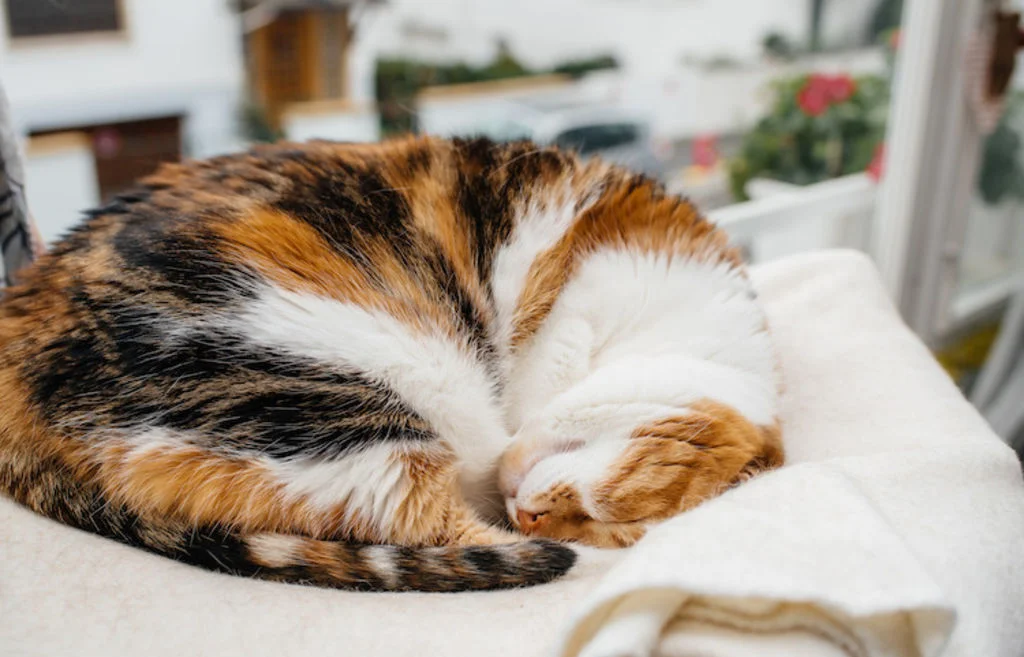
Maintaining an Isabelle cat is generally inexpensive, especially if it has short hair. The budget mainly depends on the coat type, the equipment used at home, and whether a professional groomer is needed.
| Expense | Estimated budget |
|---|---|
| Brush or comb | €10 to €30 |
| Nail trimming | €0 at home |
| Professional grooming | €30 to €60 per session |
| Litter | €10 to €25 per month |
| Routine cleaning products | €5 to €15 per month |
For a long-haired cat, brushing must be more frequent and grooming visits may increase the overall cost.
What other expenses should you plan for?
Beyond food, veterinary care, and grooming, a few other purchases are needed to properly equip an Isabelle cat and meet its daily needs. Prices vary by model and brand, but the following are realistic general estimates.
- Carrier: €15 to €50 for a standard model. Some options are currently available for around €14 to €40.
- Cat tree : €40 to €200 depending on size and quality. Larger models can cost more than €200.
- Scratching post: €10 to €30 for a basic model, essential for healthy scratching and protecting furniture.
- Toys: €10 to €30 to build a starter set, then a few euros for replacements later on.
- Window or balcony safety netting: around €20 to €100, depending on the area to be secured and the system chosen.
When the cat arrives, you should budget roughly €100 to €300 for equipment alone, not including veterinary or food costs.
What is the total annual budget for an Isabelle cat?
Including food, litter, routine care, and maintenance costs, you should plan for around €600 to €1,400 per year for an Isabelle cat, excluding unexpected veterinary expenses. The total can vary, however, depending on needs: a short-haired, healthy cat will usually cost less than a long-haired cat that needs more upkeep.
How much does an Isabelle cat cost?
Since the Isabelle cat is not a breed, there is no specific breeder price. A tricolour cat can be adopted from a shelter or rescue organisation, usually in exchange for a contribution toward veterinary costs of around €150 to €250. A pedigree cat with a tricolour coat can, however, cost much more depending on the breed.
Isabelle cat care: grooming, hygiene, and feeding
Caring for an Isabelle cat involves a few regular routines, good hygiene, and an appropriate diet.
How should you feed an Isabelle cat?
An Isabelle cat should receive a complete and balanced diet suited to its age and needs. A kitten, an adult cat, and a senior cat do not have the same nutritional requirements, and a neutered or low-activity cat may need a different ration. Daily portions should also be monitored to reduce the risk of overweight.
Dry food can form the basis of the diet if it is appropriate for the cat’s needs. Wet food, meanwhile, provides more water and can help with hydration. Leaving several bowls of fresh water available is important, since moisture from food also contributes to daily fluid intake.
Treats and table scraps should remain occasional. WSAVA also recommends keeping track of foods given in addition to the main ration and avoiding improvised home-prepared diets without proper formulation, since cats have very specific nutritional needs.
How do you care for an Isabelle cat day to day?
An Isabelle cat’s wellbeing depends mainly on a suitable environment, regular care, and attention to its behaviour. A few simple daily habits help protect its health and comfort:
- Brush the coat regularly, adjusting the frequency to the hair length, to remove loose fur and check for parasites or skin issues.
- Keep the litter tray clean by removing waste every day and washing it regularly so it stays fresh and comfortable.
- Check its claws, eyes, and ears from time to time, without routinely cleaning inside the ears unless there is a problem.
- Respect its quiet time and provide hiding places or secluded spots where it can retreat when it does not want attention.
- Watch for changes in behaviour, such as reduced activity, unusual isolation, or changes in litter habits, which can sometimes point to a health issue.
Origins and physical characteristics of the Isabelle cat
The Isabelle cat has a distinctive appearance, but its coat pattern and physical traits have a very specific genetic history.
Which breed does the Isabelle cat belong to?
The Isabelle cat does not belong to any specific breed: the term refers to a coat colour pattern, not a breed origin. This pattern can be found in European shorthairs and in certain breeds such as the Maine Coon, Persian, or British Shorthair.
What is an Isabelle cat?
The Isabelle cat is recognised by its tricolour coat, usually made up of white, black, and ginger patches. It is not a breed, but a combination of coat colours that can appear in different cats.
This pattern is linked to the genetics of the sex chromosomes. In females, who have two X chromosomes, the combination of colour variants responsible for black and ginger can produce the tricolour pattern, while white comes from a separate gene. That is why Isabelle cats are overwhelmingly female.
Male tricolour cats are extremely rare. When they have an XXY chromosome pattern, they are usually infertile.
Why is it called an Isabelle cat?
The name “Isabelle” does not refer to a feline breed, but to a popular story steeped in legend. According to tradition, the term was inspired by Isabella of Castile, the famous 15th-century Spanish queen.
The legend says she vowed not to change her shirt until the city of Granada was reconquered. After months of siege, the colour of the garment—yellowed and faded white—was said to have inspired the term later used for coats with mixed tones.
Applied to cats, this legend-based origin has survived over the centuries to describe tricolour coats combining white, black, and ginger.
What does an Isabelle cat look like?
Easy to recognise at a glance, the beautiful Isabelle cat has three distinct colours spread across the body in clearly defined patches: white, black, and ginger. The pattern varies from one cat to another, making each coat unique, almost like a fingerprint.
Some cats are closer to calico cats, with large, sharply separated patches of colour, while others resemble a tortoiseshell cat more closely, with black and ginger blending into a softer marbled pattern. Coat length depends entirely on the breed of origin: short, medium, or long.
During shedding periods, the coat may look duller. Regular brushing helps bring out the full shine of the three colours and keeps the coat in good condition.
What is the difference between a calico cat and an Isabelle cat?
Calico cats and Isabelle cats both have coats that may include black, ginger, and white. The main difference is usually the way the colours are distributed. In a calico, the three shades are generally arranged in large, well-defined patches, giving the coat a strong contrast. In an Isabelle cat, the colours may be more mixed or marbled, with softer transitions between the tones.
These terms describe coats, not breeds. The distinction is not universal, however: in some contexts, “calico,” “Isabelle,” and “tricolour” are used as synonyms. The term “calico” is especially common in North America for tricolour cats.
The key point is this: a calico is always tricolour, but “Isabelle” may be used more broadly for any tricolour cat. The amount and placement of white help distinguish these coats from a true tortoiseshell, which mainly combines black and ginger without large white areas.
Behind its unmistakable tricolour coat, the Isabelle cat is still first and foremost a cat, with its own temperament and needs. Its colour does not predict its character or its health. To enjoy its companionship for many years, the most important thing is to provide a suitable home, pay attention to its habits, and give it the care it needs throughout its life.
Love tricolour cats?
Yes. An Isabelle female cat can give birth to black, ginger, tricolour, or bicolour kittens. It all depends on the genes passed on by both parents.
The distribution of black and ginger patches depends in part on the random inactivation of one X chromosome during embryonic development. As a result, each cat has an almost unique coat pattern.
Yes, a cat with an Isabelle coat can take part in a cat show if its breed and coat meet the organiser’s standards. It may also be entered in certain categories for household cats.
No. The distribution of its three colours cannot be used to determine age. To estimate age, a veterinarian looks at the teeth and overall condition.
Request a callback from one of our advisers
Source: *American Journal of Veterinary Research
Santévet
Leader in pet health insurance
Photos: 123 rf