
Whether you ride for pleasure or with competition in mind, choosing the right equestrian centre is an important decision. The best facility for you will depend on your goals, your experience level, and the kind of atmosphere you want around your riding practice. Taking the time to assess a few key criteria will help you find a stable that truly matches your expectations.
1
Start with your goals: what do you want from riding?
Before comparing centres, it helps to be clear about what you are looking for. Are you drawn to recreational riding, where the emphasis is on enjoyment, relaxation, and time spent with horses? Or are you aiming for competition, which demands structured training, regular practice, and a more performance-oriented environment?
Recreational riding: focusing on enjoyment
Centres built around leisure riding usually offer a relaxed setting where riders can enjoy the simple pleasure of being around horses. This might include countryside hacks, group rides, or educational activities designed to build confidence in a friendly way. Typical benefits include:
- Safe outings through scenic surroundings.
- Themed workshops for learning a range of basic skills.
- A social atmosphere that encourages interaction with other horse lovers and their animals.
Competition riding: where performance matters
If your focus is competition, it is essential to choose a centre that offers serious training and a structured approach. These facilities are generally geared toward preparing riders for events and should have the infrastructure needed to support consistent progress. Useful features include:
- Quality facilities such as covered arenas and obstacle courses built to standard requirements.
- Qualified instructors with recognised teaching credentials who can help riders improve performance.
- Training camps and tailored practice sessions designed to prepare for federation-level events.
Location: a practical factor that matters more than you think
The location of the centre can make a real difference to how often you ride and how easy it is to stay committed. Ideally, the club should be close to your home or workplace, preferably within about 30 minutes. A convenient location reduces travel stress and makes regular lessons much easier to maintain.
Accessibility and access routes
It is also worth looking at the surrounding roads and whether public transport is available. A centre that is easy to reach is more likely to fit smoothly into your routine, whether you ride for leisure or train more seriously.
Facilities: judge the quality of the centre
The facilities of an equestrian centre say a lot about its standards and professionalism. Whether your priority is leisure or competition, the infrastructure should support both safety and comfort.
Inspect the buildings and riding areas
During a visit, take a close look at the stables, tack rooms, and riding arenas. Good centres usually stand out for:
- Spacious, well-maintained stables.
- Boxes with proper ventilation to support the horses’ well-being.
- A suitable arena surface that helps reduce the risk of injury.
Assess the staff and teaching quality
The people working at the centre are just as important as the facilities. Make sure the instructors hold recognised qualifications such as BPJEPS or DEJEPS, and check whether they adapt their teaching to the different ability levels of riders. Good instruction does more than pass on techniques: it encourages confidence, consistency, and motivation.
Horse welfare should never be secondary
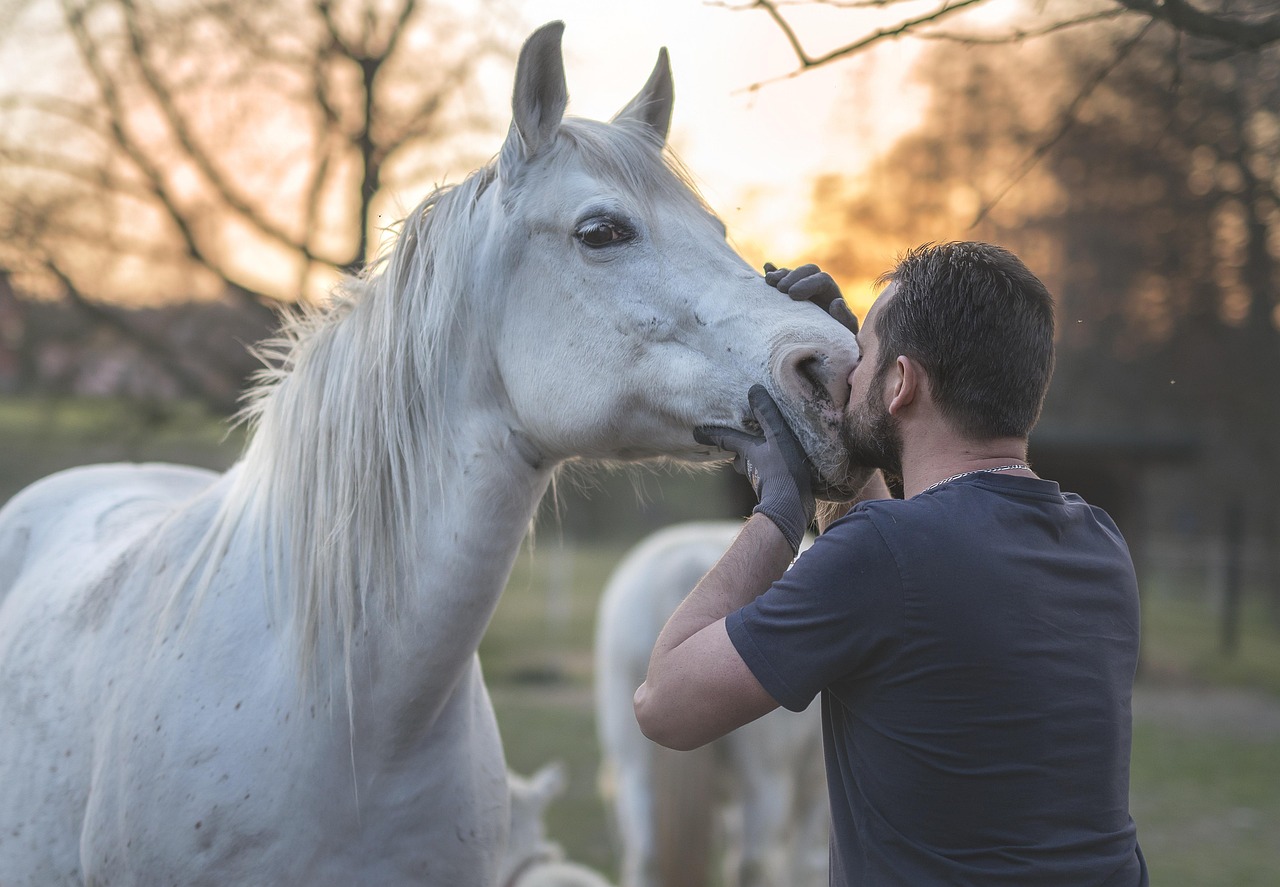
Respect for animal welfare should be a non-negotiable part of your decision. A centre that genuinely cares for its horses will treat them responsibly, and their condition should reflect that care. Observe the horses’ health, behaviour, and general appearance during your visit.
Look at the care routine and daily management
Do not hesitate to ask about veterinary follow-up, vaccination schedules, deworming, and the general care given to the animals. A responsible centre will have a clear system in place and will involve staff members in the everyday management of the horses.
Atmosphere and riding culture
The atmosphere of a centre can shape your overall experience as much as its facilities. A welcoming team, respectful relationships between riders, and inclusive activities all contribute to an environment where people can grow and enjoy their time with horses.
Events and community life
A well-run centre often organises social and community-focused activities such as internal competitions, open days, or workshops. These events are a good way to understand the club’s spirit and values, while also giving riders the chance to meet others who share the same interests.
Pricing and transparency
Financial clarity is another key point. A serious equestrian centre should provide transparent pricing that clearly explains the cost of different services, including group lessons, private lessons, and training courses. Subscription plans or package options can also make budgeting easier.
Clear terms and membership rules
It is also wise to check whether the centre provides a clear internal policy at the time of registration. This should include safety rules as well as the expectations placed on both the centre and the rider, especially regarding horse care and daily responsibilities.
Reputation: what do others say?
Whether you are riding for fun or working toward more competitive goals, the reputation of the centre is a valuable indicator of quality. Ask for opinions from other riders, and if possible, from local veterinarians and farriers who are familiar with the area.
See the centre for yourself
To get a more accurate sense of the place, attend a lesson, watch an internal competition, or observe an assessment session. Direct observation gives you a better understanding of the atmosphere, the horses’ calmness, and the professionalism of the instructors. The setting for your equestrian passion should feel both pleasant and inspiring.
In short, choosing an equestrian centre requires careful thought and a clear sense of priorities. The decision you make will shape your experience, whether you are riding for leisure or training for competition. If you want to deepen your knowledge of the equestrian world, practical resources on getting started in riding can also be useful.
It is also worth exploring other topics, such as advice on caring for an older animal or the essential equipment needed for a safe horse ride, to broaden your understanding of equestrian life.