
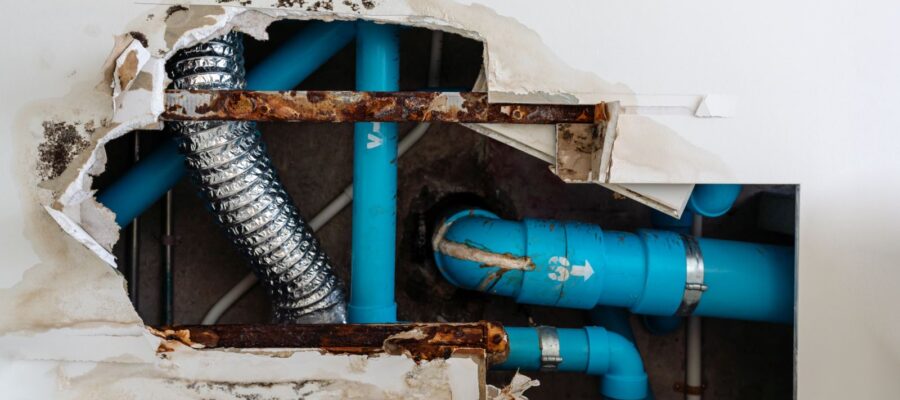
Discover the complete guide for hidden defects when purchasing a building: identifies defects, understands the legislation and protect yourself from risks.
The purchase of an apartment or a house is a major investment that involves not only a considerable amount of money, but also risks related to the hidden vices of the property. When you are hired in a home buying or buying apartment, it is essential to be aware of the hidden defects that are not obvious at first sight and which can affect the value and safety of the house. In this complete guide, we will explore in detail what the hidden defects are, how to identify them, the relevant legislation and what legal checks can be carried out to protect you.
What are hidden vices?
The hidden defects are defective or problems of a property that are not obviously visible during a routine inspection and which cannot be detected without a detailed examination. These vices may include:
-
- Structural problems: defects hidden in the foundation, walls or roof that can lead to significant damage.
-
- Problems with installations: faults in electrical, sanitary or heating installations that can compromise the proper functioning of the home.
-
- Humidity and infestations: problems with humidity or infestations with thermal and other pests that can affect the integrity of the property.
-
- Construction problems: Improper construction works that can cause safety and comfort problems.
The legislation in force
In Romania, the legislation regarding the hidden defects is regulated by the Civil Code and other relevant normative acts. According to the Civil Code, the seller is responsible for the hidden defects of the property that make it improper for the destination for which it was bought. This aspect is reflected in the following essential points:
-
- The defect exists at the time of purchase: The vice must have existed before or at the time of purchase and not the result of the subsequent damage of the property. Defects that appear after the purchase, due to improper use or lack of maintenance, are not considered the hidden vices for which the seller is responsible.
-
- The defect brings a significant disadvantage: The vice must be serious enough to substantially affect the use or value of the house. If the defect is minor and does not significantly influence the use or value of the building, the seller’s liability does not engage.
-
- Buyer could not detect the vice: The defect must have been hidden in a way that the reasonable buyer could not discover it through a regular inspection. The hidden vices are those defects that would not have been evident with a thorough inspection. Buyers are expected to do a reasonable inspection, but they are not obliged to discover problems that require technical expertise.
-
- The seller was aware of the vice (when revealed): If the seller was aware of the defect and not revealed to the buyer, he can be held accountable. The Civil Code stipulates that if the seller was aware of the hidden defects and hid them deliberately, his responsibility can be committed.
Examples of hidden vices
-
- Improper electrical installations: Damaged or non -compliant electric wires with current standards may have fire risks and safety problems.
-
- Problems with humidity: Infestation with mold and excessive humidity, which can be caused by improper insulation or uncontrolled leakage.
Legal and technical checks
To protect yourself from hidden vices, it is essential to carry out certain checks:
-
- Technical Inspection: Hires a technical inspector or construction expert to examine the property in detail before completing the purchase. It can identify hidden problems that are not visible at first sight.
-
- Document verification: Make sure that all the legal documents are in order, including the urbanism certificate, the construction notices and the reception of the works. Consulting with a lawyer specialized in real estate law can be useful.
-
- Consultation with real estate agents: He works with experienced real estate agents who have in -depth knowledge about the local market and can provide advice on potential property problems. Also, real estate portals can be useful resources to compare different offers and check the history of the property.
-
- History verification: Check the history of the property for possible disputes, unauthorized changes or legal issues that could affect the purchase.
The acquisition of a property is a complex process that involves more than the simple viewing of a building. The hidden defects can have a significant impact on the value and safety of the house. By understanding the relevant legislation and carrying out the appropriate checks, you can minimize the risks and make sure that you make a safe and well -founded investment in the process of buying a house or buying apartment. Consulting with real estate experts and agents, as well as the use to research available options, is essential to successfully navigate in this process and to protect you against potential hidden problems.
Latest Posts Published

The assets of the ironwork style for your gate
What elements influence the price of fuel oil?

Yucca with drooping, yellow, dry, brown leaves at the end or that loses its leaves: what to do?

How to choose tiles that you will not tire

Debout, kitchen and dining table

The advantages of combined electricity and gas offers

When and how to plant an avocado in a pot: maintenance, watering, exposure, repotting
5 ideas for arranging the basement of a house

How to choose a floor wash robot
