
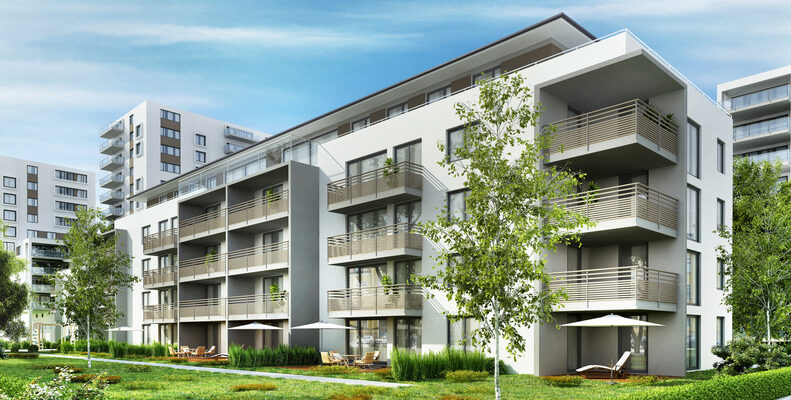
Find out how to choose the right residential complex for you. Discover the essential factors, from location and facilities to costs and the development of the area
Purchase a home is one of the most important decisions in anyone’s life, and when it comes to choosing a residential complex, the decision becomes even more significant. A residential complex is not only a place where you will live, but also a community where you will spend a part of your life. Factors such as location, facilities, safety and quality of construction must be taken into account to make sure you choose the right home.
This article aims to offer you a detailed guide to help you choose the perfect residential complex for your needs and lifestyle.
1. Location of the residential complex

One of the most important factors in choosing a residential complex is the location. Before making a decision, you need to wonder what kind of lifestyle you have and what priorities you have in terms of distances from work, schools, shops or other points of interest.
-
- Proximity to the service: If you work in the city, choose a complex to be located at a reasonable distance from the job. A road too long and crowded can affect the quality of your life.
-
- Accessibility to the means of transport: Whether you use your personal car or public transport, it is essential that your home is well connected to main roads or public transport stations. Proximity to subway, bus or tram stations can add a lot of comfort in your daily life.
-
- The neighborhood and the surrounding community: Do research on the neighborhood in which the residential complex is located. Check the safety of the area, infrastructure and pollution level. It is also important to see if the area corresponds to your needs, whether we are talking about the proximity to schools, parks, supermarkets or other facilities you need.
2. Type and quality of construction
When choosing a residential complex, it is essential to carefully analyze the quality of the construction and the materials used. The quality of the construction does not only influence the aesthetics and comfort of your home, but also the long -term durability.
-
- Building materials: Each developer will promote homes as of high quality, but make sure you check what materials have been used for building the building. Ask for details about the thermal and sound insulation, the quality of the windows and doors, as well as about the structure of the building.
-
- The design and compartmentalization of the housing: Another important aspect is the compartmentalization of the house. A well -compartmentalized home will give you comfort and functionality every day. Check the plans of the apartment and see if the arrangement of the rooms corresponds to your needs and if the space is used efficiently.
3. Facilities offered by the complex
The facilities available in the residential complex can make a major difference in your comfort and lifestyle. Modern complexes offer a wide range of facilities that can range from simple green spaces to swimming pools, fitness rooms or children’s playgrounds.
-
- Green spaces and parks: An increasingly common trend in residential development is the inclusion of green spaces within the complex. Private parks, gardens and alleys arranged not only add aesthetic value, but also improve the quality of life of the inhabitants.
-
- Security and controlled access: Safety is a factor of first importance for any home. Make sure the complex has appropriate security measures, such as 24/7 guard, controlled surveillance or access cameras. These measures will give you a sense of safety and protection for you and your family.
-
- Facilities for relaxation and sport: Many modern residential complexes offer swimming pools, fitness rooms or even sports fields. These facilities are a great advantage, because it gives you the opportunity to relax and stay active without having to leave the complex.
-
- Parking spaces and storage spaces: If you have a car, a safe and accessible parking place is essential. Also, storage spaces, such as boxes or bicycle seats, are useful to maintain the orderly and organized apartment.
4. Budget and financing options
The price is obviously a determining factor in choosing a residential complex. It is important to establish a realistic budget and consider all the costs associated with the purchase or rental of a home.
-
- The price of purchase or rent: Carefully analyze the prices of the houses in the complex you are considering and compare them with other offers in the area. If the price is higher, find out what additional facilities offer the complex and if they justify the price difference.
-
- Maintenance costs: In addition to the purchase or rental price, it is important to consider maintenance costs. Modern residential complexes, which offer facilities such as swimming pools or gym, can have higher maintenance costs. Make sure these costs are reasonable and included in your budget.
-
- Financing options: If you intend to purchase the home, inform yourself about available financing options, such as mortgage loans or housing support programs. Many banks have partnerships with real estate developers, offering advantageous financing conditions.
5. The reputation of the developer and the complex
When choosing a residential complex, it is essential to consider the developer’s reputation. A developer with a solid reputation is more likely to provide a quality home and respect its teaching deadlines.
-
- Research the developer’s history: Check the previous developer’s previous projects and the reviews offered by other customers. See if they were satisfied with the quality of the constructions and the deadlines.
-
- Choose a complex with a recognized brand: Residential complexes that are part of major projects, recognized at national level, tend to offer a higher level of quality and more diversified facilities. These can be more attractive for long -term investments, having the potential for appreciation of the value of the property.
6. Community and lifestyle
Each residential complex develops a certain community, and this aspect can have a significant impact on the quality of your life.
-
- The profile of the inhabitants: Analyzes the type of inhabitants who choose to live in the respective complex. If you want a quiet atmosphere, with family neighbors, certain complexes may be more suitable for you. On the other hand, if you are an active person, who appreciates social and community events, a complex with frequent community activities could be the ideal choice.
-
- Events and community activities: Many residential complexes organize events for tenants, such as Christmas parties, community barbecues or sports activities. These events can create a friendly atmosphere and a sense of belonging to the community.
7. Accessibility to facilities in the area
Another essential aspect in choosing a residential complex is access to proximity facilities. Even if the complex offers a lot of advantages, it is important to make sure that the area around it gives you everything you need for everyday life.
-
- Shopping centers and supermarkets: Check if there are supermarkets or shopping centers near the complex where you can shop quickly and efficiently. Their proximity can reduce the time spent on roads for daily needs.
-
- Education units: If you have children or intend to have in the future, check if there are quality schools or kindergartens near the complex. Easy access to educational institutions can be a great advantage and can add value to long -term property.
-
- Medical centers and pharmacies: Health is an important aspect, so make sure there are medical centers or pharmacies nearby. Rapid access to medical services can be invaluable in emergency cases.
-
- Parks and leisure areas: If you are an active person or you simply want to spend time in nature, check if there are parks or other leisure areas near the complex. These not only give you a place of relaxation, but also contribute to the air quality in the area.
8. The future of developing the area
Even if a residential complex seems ideal today, it is important to consider the development plans of the long -term area. An in full development neighborhood can bring new opportunities, but also challenges.
-
- Infrastructure projects: Research if there are major infrastructure projects planned in the area where the complex is located. The construction of new roads, belt roads or public transport lines can significantly increase the value of your property.
-
- New real estate developments: Pay attention to other real estate developments in the area. Even if these projects can bring additional facilities, they can also contribute to the agglomeration of the area. Understand how these developments can affect the quality of life and traffic in the area.
-
- The long -term value of the property: Choose a residential complex that has the potential to maintain or increase its value over time. The development of the infrastructure and the increase of the interest for the area can contribute to the appreciation of the value of your home.
9. Evaluating your personal needs
Before making a final choice, it is essential to evaluate your personal needs and see if the residential complex chosen corresponds to these requirements.
-
- Long -term plans: Think about whether you will live in that long-term property or if it will be just a temporary investment. If you are planning to stay long, it is important to make sure that your home and complex give you the comfort and facilities for the coming years.
-
- Lifestyle: Each person has a different lifestyle, so choose a complex that matches it. If you like peace and intimacy, look for a complex located in a less crowded area. If you prefer social activities and community events, look for a complex that promotes such activities.
Conclusion
Choosing the right residential complex is a complex decision that requires a careful analysis of your personal needs, available budget and facilities offered by the complex. It is essential to inform yourself as best as possible before making a decision and make sure that the chosen home will give you the comfort and safety you need in the long run.
When choosing the perfect residential complex, it takes into account the location, the quality of the construction, the facilities, the costs and the community in the area. Careful research and detailed evaluation of all these factors will help you make an informed choice and enjoy a home that will fully respond to your needs and your family.
Thus, whether you are looking for a home to live in the long term or for a real estate investment, choosing a well -planned residential complex will be the key to a quality and successful life in the real estate transaction.
Latest Posts Published

The assets of the ironwork style for your gate

What elements influence the price of fuel oil?

Yucca with drooping, yellow, dry, brown leaves at the end or that loses its leaves: what to do?

How to choose tiles that you will not tire

Debout, kitchen and dining table

The advantages of combined electricity and gas offers

When and how to plant an avocado in a pot: maintenance, watering, exposure, repotting
5 ideas for arranging the basement of a house

How to choose a floor wash robot
