
A few ducks around the pond, some hens scratching in the dirt, and a rabbit resting in the grass may look like a peaceful little farmyard. But that picture alone does not prove that all of these animals can live in the same habitat. Their diets, their relationship with water, their behaviour, and their health risks are not the same.
If you want to create a mixed smallholding, start by designing spaces that suit each species. A large plot helps, but it does not replace proper separation, clear organisation, or regular supervision.
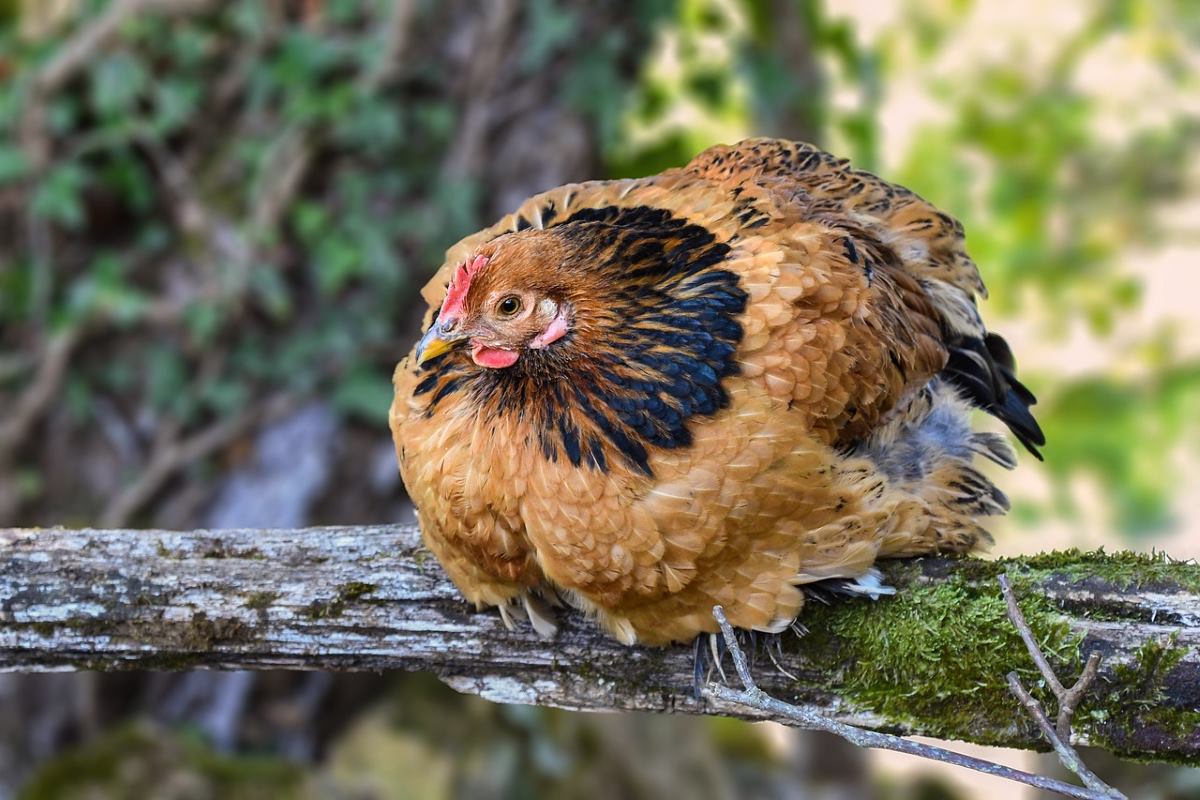
Sharing a garden is not the same as sharing a home
Animals can spend time in the same outdoor area without sleeping together, eating from the same feeder, or using the same shelter. Keeping that difference in mind makes planning much more realistic.
First, think through what each group needs: shelter, rest, food, water, exercise, and a place to withdraw. If you cannot provide those things separately when a problem arises, then the arrangement leaves very little room to respond safely.
Hens and ducks: water is often the tricky part
Ducks need water in ways that go far beyond a small chicken drinker. Their setup can also quickly soak the ground. Hens, meanwhile, need dry areas and resources they can reach without constantly walking through mud.
Place water points and drainage well away from sleeping areas that must stay dry. Make sure younger birds do not have access to any setup that could create a drowning risk. Any layout should be checked with the species and ages involved in mind, especially if young animals are present.
Rabbits need their own space
A rabbit is not a rodent; it is a lagomorph. More importantly, it should not be treated as just another small inhabitant of the coop. It needs a secure habitat, the right diet, and carefully managed social contact with compatible rabbits.
Droppings, poultry feed, and pecking are not minor details. A barrier should prevent uncontrolled contact. Even a shelter with a narrow entrance is not always enough to protect an animal that is chased or trapped in a corner.
The RSPCA also advises against housing rabbits and guinea pigs together. In other words, the idea that any small animal will automatically make a good companion for another one should be set aside.
Separate meals, even when everyone is happy to peck at the same feed
An animal eating another species’ feed does not mean that feed suits it. Keep feeders for the animals they are meant for, and watch out for dominant birds. The nutritional needs of a chick, a laying hen, and a rabbit are not interchangeable.
A proper feeding plan for laying hens helps organise their ration more effectively. In a mixed group, it is better to seek advice tailored to each species than to rely on a generic “smallholding mix” and assume it will suit everyone.
Before introducing animals, prepare for the possibility of separation
- Review the health status of the animals and the intake procedure for newcomers with a veterinarian.
- Set aside a separate space with its own resources and suitable cleaning equipment.
- Check fencing, doors, and any possible risks of escape or injury.
- Observe from a distance before allowing closer contact, depending on the advice you receive.
- Stop any situation in which an animal is being chased, prevented from eating, or forced to stay hidden.
Do not let animals “work it out” on their own. A quiet situation can simply mean that one individual has stopped moving. Watch who is actually using the resources, and when.
Clean without carrying problems from one enclosure to another
Plan ahead for bedding, equipment, and waste. The removal of waste should be practical, without allowing buildup near food or water. A general environmental discussion does not replace the specific hygiene rules that apply to your own setup.
Cleaning should also help you notice early warning signs: dampness, inaccessible feed, dirty bedding, or areas that are being overused. A hen bedding guide can support the maintenance of their space, but the same materials should not be transferred automatically to every other animal.
The right solution may be a separate smallholding
You can value several species while still giving them distinct habitats. That is not a failure of cohabitation. In many cases, it is what makes it possible to respect their needs, respond properly to illness, and keep the setup manageable. Before adding a new species, make sure you still have that flexibility.