
A painted painting on a wall can quickly become a real aesthetic nightmare. Disgraphous traces, unsightly drips, marked shade differences or even premature scales, so many faults that harm the harmony of a room. Poor application or insufficient preparation of the support are often involved, compromising the holding and quality of the final rendering. Fortunately, these errors are not irreversible. With a rigorous method, suitable tools and a wise choice of painting, it is quite possible to rectify an ill -painted wall to offer it an impeccable and durable finish.
Recognize the faults of a failed painting
The most frequent problems
Before starting any correction, it is essential to precisely identify the faults present on the wall. Each problem originates and requires an appropriate approach.
-
- The drips : They appear when the paint is applied in too large quantities or when the wall is too smooth, preventing adhesion. To avoid this, it is advisable to use a well wrung roll and apply several thin layers rather than one thick. If drips are already present, they can be slightly sanded once dry and covered with a new uniform layer.
-
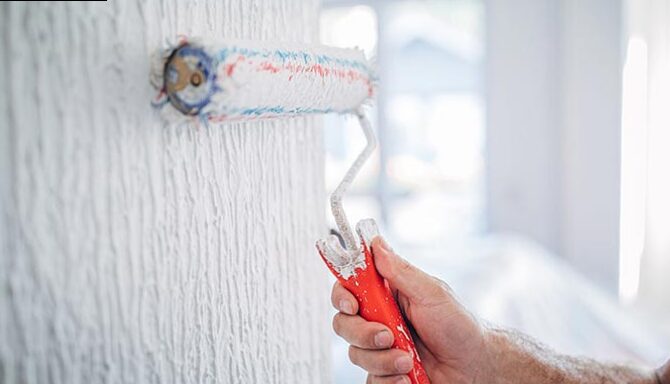
- The traces of roller or brush : They often result from an irregular application, a poor quality tool or a too thick paint. A tip is to always paint by performing fluid and regular movements, crossing passes for better distribution. Using good quality microfiber rolls minimize this problem.
-
- Scarage and cleansing : These phenomena occur when the painting does not hold on the support, generally due to an inadequate preparation or humidity. To prevent this, it is essential to apply an underlay before the paint and to make sure that the wall is perfectly dry. In cases where humidity is persistent, it may be necessary to use a dehumidifier before starting.
-
- Time or shine differences : They often occur when the paint has not been mixed evenly or the drying has been interrupted by air currents. To guarantee a homogeneous color, it is necessary to mix the paint well before each application and maintain a stable temperature in the room. Another technique is to always buy painting at once to avoid variations between two lots.
Possible causes
Several errors can be the cause of these faults:
-
- A Insufficient preparation Support: Dust, fat or residues prevent painting from adhering properly. To properly prepare the wall, it must be cleaned in depth with a soft detergent and let it dry before starting. In some cases, the use of a primer is recommended.
-
- And drying time not respected Between the layers, compromising the good hold of the paint. A 24 -hour expectation between two layers is ideal for ensuring optimal grip. If the drying time is shortened, there are suitable fast -drying paintings.
-
- Of the unsuitable environmental conditionslike too low a temperature or excessive humidity. Paint in too wet weather can slow down drying and cause imperfections. An ideal temperature is between 18 and 22 ° C.
Deep cleaning
Before repainting, it is essential to clean the wall in order to eliminate any impurity that could harm the adhesion of the new paint.
-
- Dust and residue : They must be removed with a dry cloth, a soft brush or a vacuum cleaner with a suitable tip.
-
- Savonous water cleaning : a mixture of lukewarm water and soft soap can be applied using a sponge. You have to rinse the wall well with clear water and allow you to dry completely.
-
- Treatment of molds : In the event of mold, the application of an antifungal product or a solution of white vinegar and water makes it possible to disinfect the surface before painting.
Sanding and rewriting
Puncting is a key step to obtain a smooth and homogeneous surface. Depending on the condition of the wall:
-
- And Fine grain sandpaper (120-180) eliminates superficial irregularities.
-
- For damaged surfaces, a more intensive sanding with an average grain (80-120) may be necessary.
-
- Cracks and holes should be filled with a rebuildingwhich must dry completely before a last light sanding to standardize the surface.
Application of an underlay
A printing undercoat is essential for:
-
- Improve grip Painting on the support.
-
- Standardize the surface and limit shade variations.
A uniform application using a roll optimizes its effectiveness. It is important to respect the recommended drying time before applying the main paint layer.
The right choice of paint and tools
Painting: opt for quality
The choice of painting is essential to obtain a lasting and aesthetic rendering. Several types of paintings exist as required:
-
- Mate paint : Ideal for masking imperfections but less resistant to spots.
-
- Velvety painting : compromise between the mat and the satin, easy to maintain
-
- Satin paint : more resistant and washable, ideal for kitchens and bathrooms.
The choice of paint also depends on the support and use of the room. For better sustainability, it is preferable to choose professional quality paintings, more covering and more resistant to daily aggressions.
Tools suitable for uniform application
A good result is largely based on the use of good tools:
-
- Short or medium -haired roller : Ideal for a homogeneous application on the walls.
-
- Round or beveled brush : Perfect for angles and finishes.
-
- Grid paint tray : to wring the roller and avoid excess paint.
Depending on the texture of the wall, the use of a different roller can be required. Long -haired rollers are preferable for irregular walls, while those with short hairs are suitable for smooth surfaces.
Apply painting with method
Techniques for a successful first layer
To ensure homogeneous coverage and avoid traces:
-
- Apply painting in cross passes : Start with horizontal movements, then vertical for a balanced distribution
-
- Work in small areas : Paint by sections of 1m² to avoid visible recovery.
-
- Maintain a constant rhythm : advance quickly without ironing too much to avoid overloads of paint.
The second layer: ensure perfection
A second layer is often essential for:
-
- Guarantee a uniform color and perfect opacity.
-
- Correct irregularities in the first application.
-
- Improve the resistance of paint to external aggressions.
The drying time between the two layers must be respected to avoid altering the final effect.
Errors to avoid
-
- Apply a too thick layer : this causes drips and uneven drying.
-
- Neglect the preparation of the support : a poorly cleaned or non -sanded wall compromises adhesion.
-
- Paint in poor conditions : Strong humidity or unsuitable temperature can alter drying.
Maintain and preserve painting
A suitable interview
-
- Dust regularly with a soft cloth.
-
- Clean with a damp sponge and soft soap To eliminate stains without altering the finish.
-
- Avoid abrasive products which could damage the painted surface.
When to provide new touch -ups?
The walls exposed to frequent passages or splashes (kitchen, corridors) require a more regular refresh. A quality paint applied in good conditions can however keep its shine for several years.
Latest Posts Published

The assets of the ironwork style for your gate
What elements influence the price of fuel oil?

Yucca with drooping, yellow, dry, brown leaves at the end or that loses its leaves: what to do?
How to choose tiles that you will not tire

Debout, kitchen and dining table
The advantages of combined electricity and gas offers

When and how to plant an avocado in a pot: maintenance, watering, exposure, repotting
5 ideas for arranging the basement of a house

How to choose a floor wash robot
