Keeping a few hens near the vegetable patch, or maybe two small goats at the back of the garden, sounds charming. But the size mentioned in an advert does not tell you whether your garden is truly suitable. The right choice depends on the space that can actually be used, the animals’ social needs, the amount of care required, and the legal obligations linked to keeping them.
Before getting carried away, picture a wet week in February and then a summer holiday. Who feeds the animals, cleans their housing, checks the fencing, and calls the vet if something goes wrong? If the plan still works in those situations, then it is worth looking more closely at the species you are considering.
Hens: possible, but only with proper organisation
Hens can be a good fit for some gardens if they have secure housing, an appropriate run, and compatible companions. A small coop marketed as “for four hens” does not, by itself, guarantee good living conditions. You need to look at the whole setup: resting space, perches, laying areas, access to water, room to explore, and protection from predators.
You should also plan for mud and worn patches. A garden that looks fine in summer can become waterlogged in winter. Feed storage must be protected from rodents, and feeding points need to be accessible to every bird.
Eggs are not guaranteed every day, all year round, or for the hen’s entire life. Taking hens on only to “make the garden pay for itself” usually leads to disappointment when laying slows down. They still need daily care and attention.
Ducks: water changes everything
Ducks cannot be managed like hens with a bowl of water added on the side. Their species-specific water needs, how it is renewed, drainage, and a dry resting area all have to be planned carefully. Moisture around the setup can quickly turn a small space into something difficult to maintain.
Ducks also need compatible company, safe shelter, and health monitoring. Their noise level varies, so calling them consistently “quiet” would be misleading. It is worth learning about different duck types and their night-time vocalisations before making a choice.
Goats and sheep: genuine small-scale livestock keeping
A dwarf goat is not a pocket-sized lawnmower. You still need to think about companions, forage, fencing, shelter, hoof care, and veterinary follow-up. The word “dwarf” does not remove the animal’s strength, social needs, or ability to reach plants you wanted to protect.
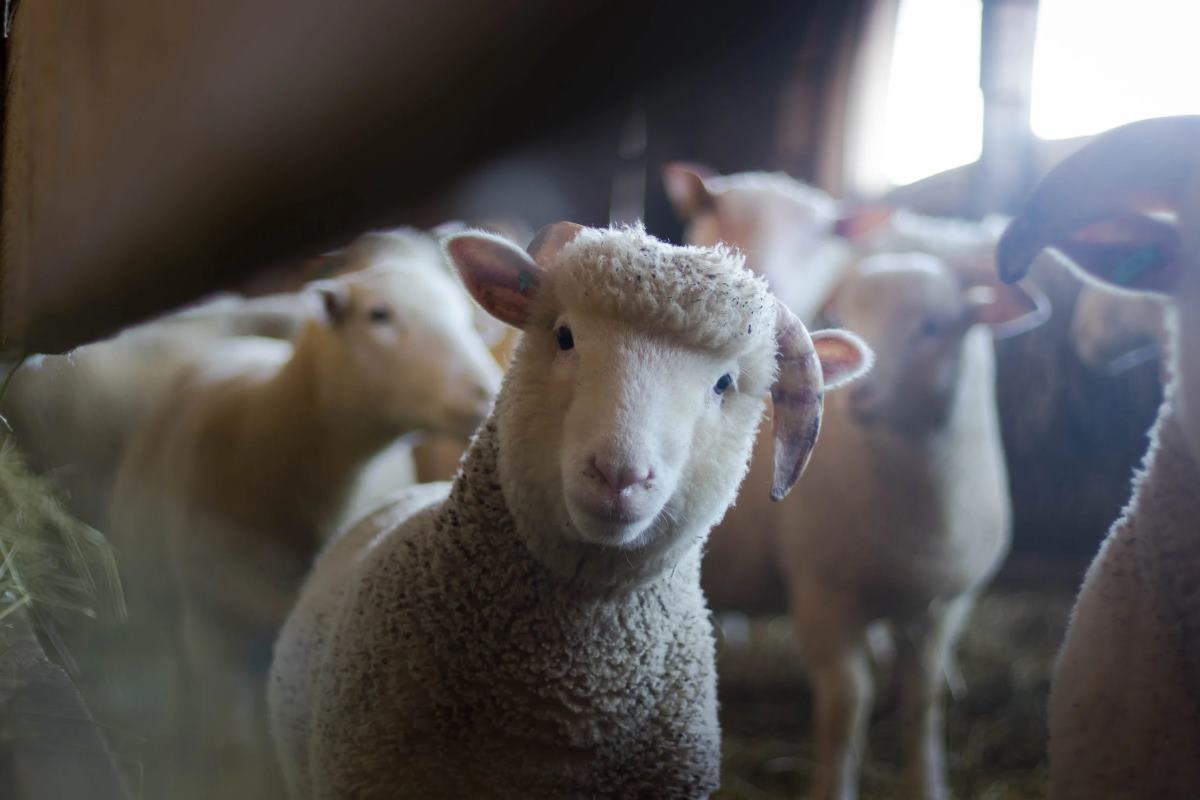
Sheep also require a setup adapted to their breed and type, especially when shearing is needed for wool. The amount of usable land depends on the soil, climate, grass growth, the number of animals, and how grazing is managed. No single square-metre figure can confirm that every garden is suitable.
Before buying anything, have the land assessed by someone competent and make sure a vet is available for ongoing care. Think in advance about where the forage will be stored, how a sick animal could be isolated temporarily, and how transport would be handled if needed.
Rabbits, pigs, and equines: beware of fake miniature versions
A dwarf rabbit still needs space to move, a secure environment, and suitable conditions; a closed hutch is not enough. Mixed housing must be planned carefully and care needs to be anticipated. A rabbit is not a low-maintenance substitute for a poultry setup.
A pig advertised as miniature can grow into something far more demanding than expected. Do not rely on a photo of a young animal or a promise about adult size without checking its real needs. Likewise, a small pony is still an equine: it needs companions, exercise, proper feeding, and appropriate care. A guide to choosing a horse based on your project shows how important it is to look beyond size alone.
Checks to make before the animals arrive
Ask the town hall about local rules, the installations you are planning, and the neighbourhood, then check with the relevant services for the species concerned. The ministry provides a procedure to declare the keeping of poultry. You should also check any health measures in force in your area at the time of the project.
For sheep and goats, identification and ownership obligations also apply to private keepers. The Chambers of Agriculture explain the declaration to the EDE, including for leisure or hobby keeping. Buying “just two goats for the garden” does not exempt you from these steps.
The budget left after the purchase
List the costs separately: housing, feed, bedding, water, fence maintenance, preventive care, and emergencies. Get realistic local prices. An online estimate for food does not cover a vet visit, shelter repairs, or temporary boarding while work is being done.
Time also matters: opening and closing, feeding, observing, cleaning, repairing. The best way to assess this is to spend time following a full routine with an experienced keeper, not just visiting on a pleasant day.
Is your garden ready? Six practical questions
- Will the animals have compatible companions and enough space to retreat?
- Will the shelter stay dry and accessible if it rains for several days?
- Are the fences and access points strong enough for the risks on your land?
- Have you identified a vet and a way to transport an animal if necessary?
- Can someone knowledgeable take over all tasks while you are away?
- Have you checked the paperwork and local rules that apply?
If several of these answers are still uncertain, delay the arrival of the animals. You can keep learning about farm animals through visits and refine your project in the meantime. Fewer animals kept well is always better than rushing into a miniature farm that is difficult to manage.