
The word lymphoma can be frightening, often before all the test results are even in. But this cancer is not something that can be reduced to a single prognosis. Its form, how far it has spread, the dog’s overall condition, and the treatments that may be considered all change the conversation. The first step is to obtain a precise diagnosis, then to choose a plan that takes both quality of life and everyday practicalities into account.
Swollen lymph nodes are not enough to diagnose lymphoma
Lymphoma affects lymphocytes, which are cells of the immune system. It can involve several lymph nodes or spread to other organs. Enlarged lymph nodes may be the first sign noticed, sometimes in a dog that still seems otherwise healthy. However, infection and other illnesses can also cause swelling.
For that reason, it is not wise to assume the cause from a lump under the jaw alone. A veterinary appointment is the right next step, especially if there are other changes such as tiredness, weight loss, unusual thirst, digestive problems, or laboured breathing. Breathing difficulty in particular requires urgent attention. The VCA overview of canine lymphoma explains how varied the presentation can be and how treatment decisions are approached.
Which tests help clarify the situation?
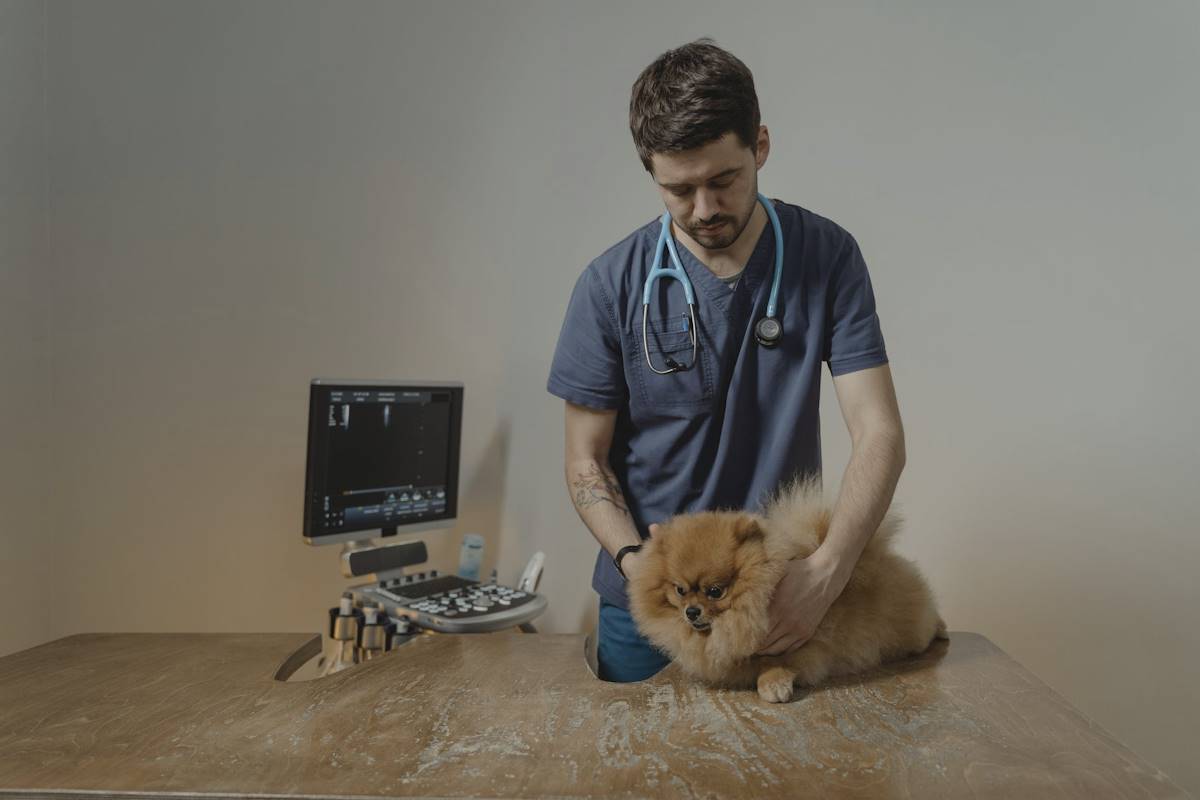
The veterinarian may collect cells from a lymph node or recommend a biopsy, depending on the case. Other tests are used to identify the lymphoma more precisely and to assess how far it has progressed. It is worth asking what has already been confirmed, what remains uncertain, and which results are needed before a decision can be made.
Do not reuse an old prescription while waiting. In particular, mention any corticosteroid use, because it can influence both the tests and the treatment strategy. Also, do not stop any prescribed medication suddenly without veterinary instruction. A full list of everything the dog has been given helps the team interpret the situation correctly.
Chemotherapy: what is the goal for the dog?
The 2026 AAHA veterinary oncology guidelines place quality of life at the centre of care. Veterinary chemotherapy protocols are designed to control the disease while preserving as much comfort as possible. Side effects can happen and should be expected, but their presence and severity vary widely from dog to dog.
Remission means that the signs of disease have decreased or disappeared according to the criteria being used; it does not mean a definitive cure. Prognosis depends on the type of lymphoma and on how the dog responds to treatment. A number read online should never be treated as a personal countdown.
Questions to ask before deciding
- What benefit can realistically be expected in this specific case, and with what uncertainties?
- How many visits are planned, and how often?
- Which side effects should trigger an immediate call, including in the evening or at the weekend?
- What budget should be expected for the protocol, follow-up checks, and possible complications?
- What precautions are needed at home regarding medication and stool disposal?
- How should the plan be adjusted, or stopped, if comfort begins to decline?
Asking for a quote and discussing practical limits is not the same as giving up on a dog. Travel time, other people in the household, and the ability to monitor the animal all matter when making a realistic decision.
What if chemotherapy is not chosen?
Palliative care can be organised to relieve symptoms and support the dog. This option deserves a plan just as structured as an anticancer treatment: clear goals, medications, follow-up, and criteria for re-evaluation. It should not be reduced to simply “waiting and seeing” without support.
Ask how to recognise pain, breathing discomfort, or a lasting decline in comfort. No supplement should be added on the promise that it will boost the immune system or fight cancer without first discussing it with the veterinary team. Some products can complicate care.
Tracking quality of life with familiar markers
Choose a few everyday signs that matter for your dog: coming over to say hello, eating willingly, sleeping peacefully, or enjoying a short walk. Note how these change over time, along with any difficult days. This makes it easier to discuss gradual changes that are less obvious when you see the animal every day.
Loss of appetite, vomiting, or new lethargy during treatment should be reported according to the team’s instructions. Do not change doses on your own. And if you feel overwhelmed, say so: support also includes the family, without judgment and without pressure to continue at all costs.