
In many cases, the cause of diarrhea in dogs is mild and clears up within a few hours. In such situations, your dog’s diet may be the trigger. A short period of fasting, followed in some cases by a change in diet, is often enough to get things back on track.
Diarrhea is generally defined as stools that are more frequent than usual, softer than normal, or completely liquid.
However, if the diarrhea lasts more than 24 hours or you notice blood in the stool, you should contact your veterinarian without delay.
Digestive disorders account for roughly 10 to 20% of veterinary consultations in canine medicine, and diarrhea is one of the most common reasons for an appointment.
If your dog also shows other clinical signs such as trembling, listlessness, loss of appetite, refusal to eat, or fever, veterinary advice is also important. These symptoms may indicate a more serious illness, poisoning, or food-related intoxication that should not be overlooked.
If your dog is elderly or medically fragile, such as having diabetes or another chronic condition, it is best to seek veterinary advice quickly. Dehydration can happen fast and may become a veterinary emergency.
How much does it cost to treat diarrhea in dogs?
The cost of treating diarrhea in dogs depends on how severe it is, how long it has lasted, and what caused it. A mild, uncomplicated episode often requires only basic treatment, while severe, bloody, or chronic diarrhea may call for additional tests, hospitalization, or even surgery.
| Veterinary consultation | €40 to €60 |
| Emergency consultation | €80 to €150 |
| Stool analysis | €30 to €80 |
| Blood test | €60 to €120 |
| Abdominal ultrasound | €80 to €200 |
| Abdominal X-rays | €80 to €150 |
| Hospitalization with intravenous fluids (24 hours) | €80 to €250 |
| Medication (digestive protectants, dewormer, symptomatic treatment, etc.) | €20 to €100 |
| Digestive surgery (if needed) | €800 to €2,500 |
Costs can therefore vary widely depending on the cause of the diarrhea and the dog’s clinical condition. Pet health insurance may cover part of the veterinary expenses, especially when extra tests or hospitalization are required.
Why does my dog have diarrhea?
Loose or liquid stools can affect both puppies and adult dogs. The causes range from a minor dietary mistake to a condition that needs veterinary treatment.
- Intestinal parasites: these are a common cause of diarrhea in puppies. Giardia, for example, can lead to digestive upset. Your veterinarian may recommend a stool test. An appropriate dewormer helps prevent certain worm infestations.
- Eating something unusual or too much: a sudden change in food, table scraps, or trash found in a bin can upset a dog’s digestive system and cause soft stools, sometimes with vomiting.
- Food allergy or intolerance: these can cause digestive symptoms and sometimes itching. Veterinary follow-up helps identify the cause and, if needed, establish a suitable diet.
- Medication: some treatments can cause digestive side effects. If diarrhea begins while your dog is on medication, contact the prescribing veterinarian before changing or stopping the treatment.
- Poisoning: swallowing a toxic product or food can cause significant diarrhea, vomiting, or other severe signs. Contact a veterinarian immediately if poisoning is suspected.
- Infection: viruses or bacteria, including those responsible for parvovirus infection, can cause gastroenteritis. Depending on the cause and severity, stools may be liquid or contain blood. Tests may be needed to guide treatment.
- Digestive or systemic disease: conditions such as pancreatitis or exocrine pancreatic insufficiency can cause diarrhea. Diseases affecting other organs, including the liver or kidneys, may also be involved.
- Stress: a change in environment or an anxiety-provoking situation can temporarily disrupt digestion. If diarrhea persists or is accompanied by other symptoms, a veterinary exam is needed to rule out a medical cause.
Giardiasis is particularly common in young dogs living in groups, such as breeding kennels, shelters, or boarding facilities, where infection rates can exceed 30%.
Veterinarians diagnose the cause of diarrhea in several steps:
- Medical history: the veterinarian gathers information about the dog’s background, including recent diet changes, exposure to other animals, and any associated symptoms.
- Clinical examination: a physical exam helps identify signs of dehydration, abdominal pain, or other abnormalities.
- Stool analysis: stool samples are tested for parasites, bacteria, viruses, or digestive disturbances.
- Blood tests: blood work can help detect infections, inflammation, or organ-related disorders.
- Imaging: in some cases, X-rays or ultrasound scans are needed to look for internal abnormalities or blockages.
- Food allergy testing: if an allergy is suspected, an elimination diet may be recommended to identify the problematic ingredient.
- Follow-up: the veterinarian may schedule follow-up visits to monitor progress and adjust treatment if needed.
These steps help establish an accurate diagnosis and allow the most appropriate treatment to be started.
Want to protect your dog against veterinary expenses related to digestive disease? Request a callback from a Santévet advisor.
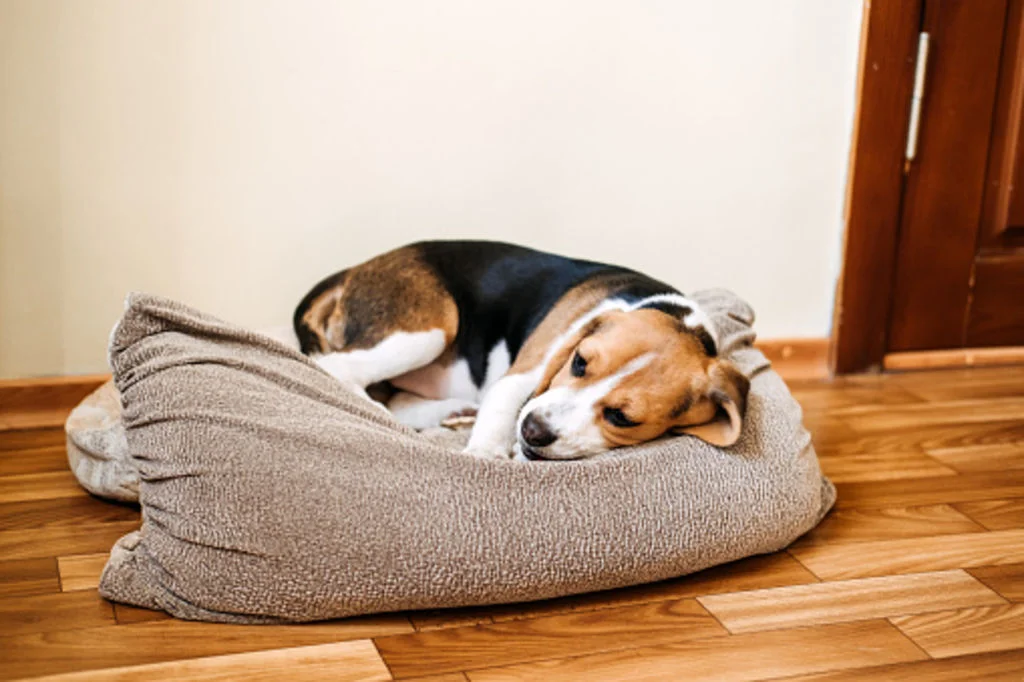
Treatment for diarrhea depends primarily on the cause. Mild, short-lived diarrhea is not managed the same way as bloody diarrhea, persistent diarrhea, or diarrhea accompanied by vomiting. Before starting treatment, the veterinarian looks for the source of the problem through a clinical examination and, when needed, additional tests.
What medication should you give a dog with diarrhea?
There is no single universal medication for diarrhea. Treatment is tailored to the identified cause and may combine several approaches:
- Digestive protectants to help shield the intestinal lining.
- Treatments aimed at reducing fluid loss and correcting dehydration.
- Dewormers for puppies or adult dogs when a digestive parasite infestation is confirmed or strongly suspected.
- Antibiotics only in specific situations, especially when a bacterial infection has been documented. They are not indicated for most acute diarrhea cases.
- Hospitalization with intravenous fluids when the dog is significantly dehydrated, vomiting repeatedly, or has become generally unwell.
Santévet’s advice: Do not give human medication without veterinary guidance. Some products are ineffective in dogs, and others can be toxic.
What food should you give a dog with diarrhea?
Diet plays a central role in helping the intestines recover. Veterinarians usually recommend a highly digestible food, given in several small meals throughout the day.
If needed, a temporary home-cooked diet may be used for a few days, such as:
- Well-cooked white rice
- Boiled chicken or turkey breast without fat
- Cooked white fish
- Small amounts of well-cooked zucchini
Fresh water should always be available to reduce the risk of dehydration. The return to the dog’s usual food should then be gradual over several days.
Natural remedies and home treatment
No natural remedy has been proven effective enough to replace veterinary treatment when diarrhea is severe or persistent. That said, some basic measures, such as keeping the dog well hydrated and offering a very digestible diet, can support recovery.
Dewormers and probiotics
Digestive parasites are a common cause of diarrhea, especially in puppies. If an infestation is suspected or confirmed, the veterinarian will prescribe an appropriate dewormer.
Veterinary probiotics may also be recommended to help rebalance the intestinal microbiota and support a quicker return to normal bowel function. They are often used alongside the main treatment, particularly in acute diarrhea or after antibiotic therapy.
Smecta® is a human medication. Although it is sometimes used in dogs under veterinary supervision, it should never be given without medical advice, because the dose depends on the dog’s weight, age, the cause of the diarrhea, and the animal’s overall health.
My dog is vomiting and has bloody diarrhea. What should I do?
Vomiting together with bloody diarrhea is a veterinary emergency, especially in puppies, senior dogs, or animals that are already weakened. These symptoms can lead to rapid dehydration and may signal a serious condition such as acute hemorrhagic gastroenteritis, infection, poisoning, a digestive foreign body, or a systemic disease.
Diarrhea is a digestive disorder. It shows up as soft or liquid stools that are passed more frequently than usual. It is not automatically serious if it is short-lived. But if other symptoms appear and the diarrhea does not clear up quickly, you should seek veterinary care immediately. It may require emergency treatment.