
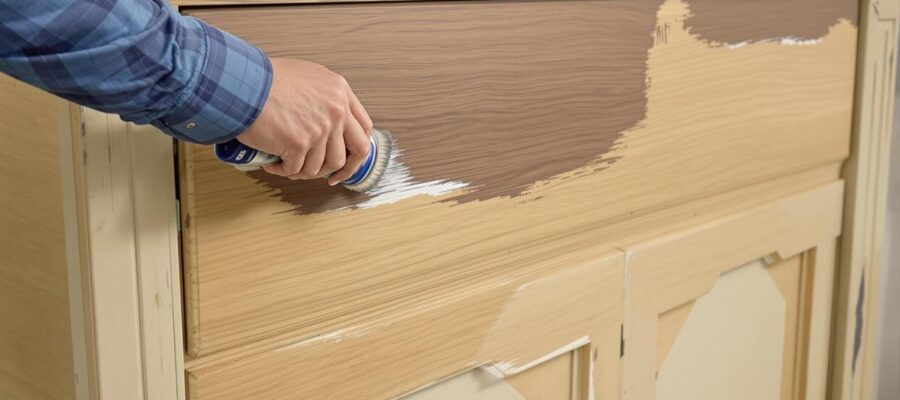
Giving back to life a wooden piece of furniture can transform the atmosphere of a room without needing to invest massively. The types of paint available are numerous and the choice may seem difficult. By choosing the best painting to paint a wooden piece of furniture, you can not only rekindle your appearance, but also improve its durability. This article guides you through options and techniques to guarantee a professional finish without complications.
Why favor a specific paint for wood
The surface of the wood has unique characteristics that require special attention during paint. Wood is a living material, which reacts to its environment, especially depending on humidity and temperature. These factors can cause cracks or scales of the paint if the applied product is not suitable. Thus, it is essential to choose a paint that can extend and contract with wood, while offering sufficient waterproofing. The paintings specially designed for wood offer these properties and guarantee a good long -term appearance.
Impact of wood properties on the choice of painting
Certain wood species, such as oak or walnut, have more open grains that require special consideration. A poorly chosen painting can accentuate these grains in an unsightly way or not adhere correctly. In addition, the use of an adapted primer (or prime) is essential to seal wood and guarantee an ideal holding of the final color.
Importance of compatibility with wood
Oil paint, for example, offers excellent cover and penetration, making wood resistant to tasks and wear. It creates a smooth finish, perfect for furniture subject to daily use. Acrylic paintings, on the other hand, dry quickly and emit few odors, an ideal option for indoor work.
The different types of wood paintings and their specific applications
Wood paintings are available in several types, each with its specific advantages and applications. Acrylic paint, very common, is based on water, which makes it more ecological and easy to clean. It is ideal for indoor furniture thanks to its fast drying and its wide palette of colors. For external furniture or parts exposed to humidity, a glycero paint is recommended for its increased resistance and durability.
Acrylic paint: a versatile option
One of the great qualities of acrylic paint is its ease of application. It offers rapid drying time, which makes it possible to make several layers in a single day. Perfect for novices, it is very tolerant to errors, easily rectifiable with a sanding or water stroke.
Lacquer paint and its aesthetic advantages
For an ultra smooth and shiny rendering, the lacquer paint for wood is essential. It gives a modern and sophisticated appearance to any piece of furniture. In addition, it offers a protective layer that protects wood from scratches and tasks. This choice is often privileged for furniture intended to be masterpieces.
The essential steps to prepare a piece of furniture before painting
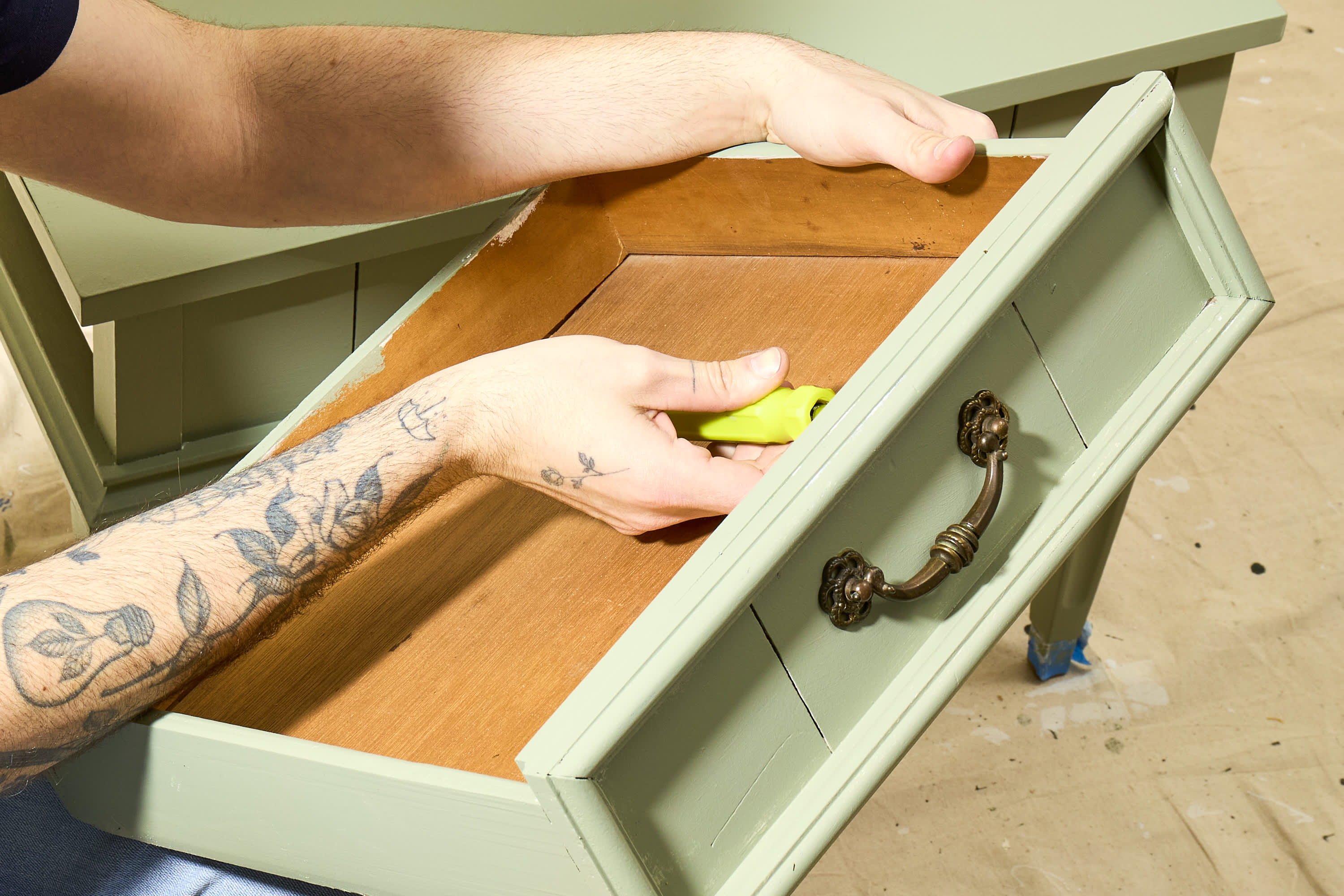
A careful preparation is sometimes more essential than the paint layer itself. Cleaning and sanding your furniture will remove impurities and smooth the surface to ensure optimal grip. A stripping product can also be used to eliminate old layers of paint. Once the wood is clean and dry, the application of a primer will guarantee a good adhesion of the new paint, while preventing the appearance of stains due to natural wood resins.
Importance of sanding in the preparation
Puncting is a crucial step that cannot be overlooked. It eliminates roughness and opening wood pores, thus facilitating the absorption of painting. Use an average grain sandpaper to start, followed by a fine grain finish for a flawless surface.
Use of primer to improve grip
The primer plays the role of undercoat to stabilize wood and create a uniform surface for painting. There are primers specifically designed for treated wood, raw or old furniture, which helps enhance the color and prolong the lifespan of the applied finish.
Tips for a successful and uniform wood paint application
Applying the paint using a superior quality roll or brush guarantees a uniform finish. Make sure you use smooth and delicate movements to avoid traces. Between each layer, a slight sanding with very fine paper is recommended to smooth the surface before applying the next. For details or small sections, specific brushes allow increased precision without overflow. Always take into account atmospheric conditions; A day without too much wind and with low humidity is ideal for this task.
Techniques for an impeccable finish
Depending on the style sought, several techniques can be used. An aged effect, for example, can be obtained by slightly sanding the edges after drying or applying a layer of wax. For a modern style, a transparent resin placed in finish can come to protect and make the furniture shine.
Painting layers management and their drying
Patience is in order when applying painting. Respect the drying times indicated by the manufacturer between each layer to avoid cracks. Three layers are often ideal for obtaining uniform and durable coverage, making sure that each application has dried well before starting the next one.
Make the change last: advice for post-painting maintenance of your wooden furniture
After transforming your wooden furniture, its maintenance is essential to maintain its appearance. The use of a soft cloth for regular dusting prevents scratches. Avoid products containing alcohol or ammonia, preferring soft solutions adapted to painted wood. Also remember to place the furniture far from direct heat sources and the sun’s rays. This will avoid yellowing or folding the long -term paint. These little attentions will guarantee that your furniture remains as radiant as on the first day and will preserve your investment in time and effort.
Latest Posts Published

The assets of the ironwork style for your gate
What elements influence the price of fuel oil?

Yucca with drooping, yellow, dry, brown leaves at the end or that loses its leaves: what to do?
How to choose tiles that you will not tire

Debout, kitchen and dining table

The advantages of combined electricity and gas offers

When and how to plant an avocado in a pot: maintenance, watering, exposure, repotting
5 ideas for arranging the basement of a house

How to choose a floor wash robot
