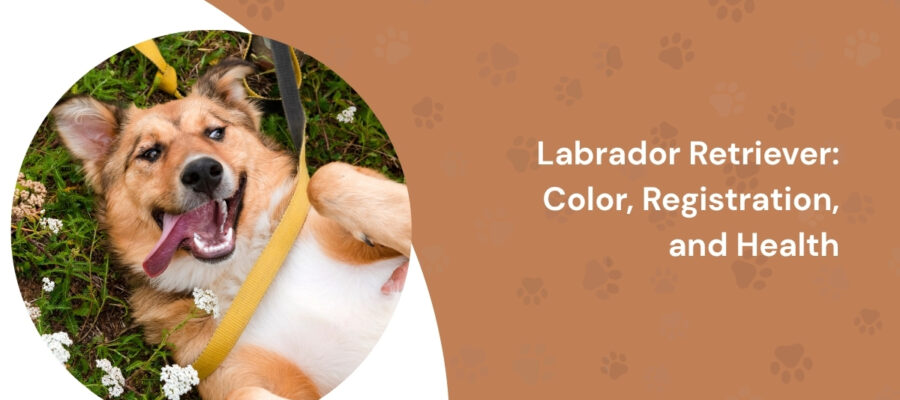
A silver-gray Labrador catches the eye immediately. But “silver” is really a marketing description of color, not proof of quality. The silver coat is not accepted in the FCI Labrador standard. If you are thinking about buying one in France, the first things to clarify are the dog’s origins and paperwork, followed by its actual needs.
What exactly does “silver Labrador” mean?
In advertisements, the term usually refers to a Labrador-type dog whose brown coat has been diluted and appears gray. Genetics can explain how dilution changes a pigment, but it does not, by itself, prove the animal’s ancestry. The veterinary genetics laboratory at the University of California, Davis explains these coat-color mechanisms.
Light can also change how a coat looks in photos. For that reason, it is unwise to reserve a puppy based on a filtered image or a flattering color label. Meet the dog in person, observe its skin and movement, and ask for the documents before paying anything.
Is it recognized as a Labrador in France?
The Labrador standard recognizes black, yellow, and brown. The Centrale Canine sets out its position on non-standard coats, including silver. An advertisement mentioning registration abroad does not guarantee recognition in France. The registry, the type of document, and what that document actually covers all need to be checked carefully.
Ask directly: “What document will I receive, issued by which organization, and in which dog’s name?” A microchip number identifies a dog; it does not prove pedigree. To better understand which papers matter, look into how breed recognition and origin documents work.
Does a gray coat mean the dog will be unhealthy?
No one can diagnose a dog from coat color alone. Some diluted coats may be associated with hair or skin issues, but not every dog with that coloring will develop them. At the same time, anyone claiming that silver dogs have no specific risks is not replacing proper health screening and the checks appropriate to the declared ancestry.
If you notice thinning hair, patches, or irritation, have the skin examined. Several conditions can look alike at first glance. Do not start using anti-shedding treatments or essential oils to fix an aesthetic issue before you know what is actually going on.
Health is not limited to the coat. Ask about joints, eyes, and family history as well. A “silver-compliant” color test does not replace any of those points.
Four commercial warning signs that should make you slow down
- A high price justified only by rarity, with no clear health records.
- A promise that the dog will be gentler or smarter because of its color.
- Documents shown only in part, making it impossible to connect them to the parents’ identification.
- Pressure to reserve before you meet the dog or receive written answers to your questions.
You do not need to argue at length with a seller who avoids direct answers. Save the listing, request the paperwork, and take time to get an independent opinion. A beautiful dog will still be beautiful after a few days of verification.
At home, its needs are not “silver”
Plan for regular walks, gradual training, and enough rest. An athletic adult dog may need more activity than another dog of the same size. Coat color does not tell you whether the dog will fit your work schedule, your children, or your cat.
When buying the first equipment, measure the dog or ask for real dimensions. A harness chosen simply because the label says “Labrador” may rub behind the elbows. The same applies to bedding and transport: fit matters more than breed marketing. A guide to Labrador weight and body condition can help you track development without chasing an arbitrary number.
If you have already adopted a silver Labrador
There is no need for your dog to carry the burden of a registry controversy. Review its health with your veterinarian, keep its documents, and build a routine that suits it well. If you are considering breeding or showing the dog, ask the relevant organization for a written answer first.
For a family companion, the real questions are simple: does it sleep well, move without discomfort, and fit into your daily life? A rare color guarantees none of that, but it does not stop you from caring for the dog properly either.