A duck tips forward, its tail pointing skyward, then returns to the surface as if nothing happened. A few seconds later, it does it again. Putting its head under water helps the duck look for food and also helps keep its eyes, nostrils, and feathers in good condition. Not every duck uses the water in exactly the same way, though.
Looking for food below the surface
Many ducks search shallow water with their bills. Depending on the species, the season, and the environment, they may feed on plant material or tiny organisms. The bill is designed to sort food as it moves through water and mud; it is not a tooth-lined mouth like a mammal’s.
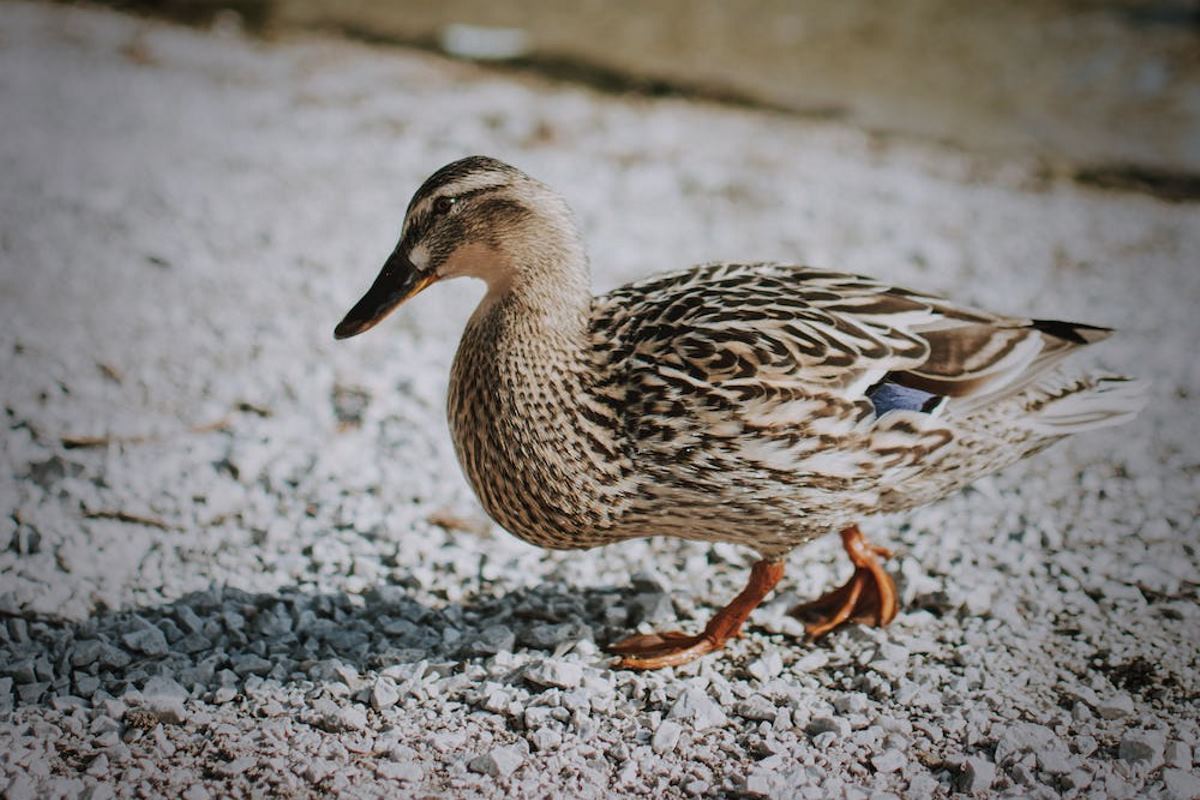
In dabbling ducks such as the mallard, tipping forward lets the bird reach deeper while keeping part of its body above the water. Other ducks dive completely and move underwater. That is why the same posture cannot be interpreted correctly unless the bird has been identified first.
If you want to observe this behavior without disturbing the animal, stay on the bank and watch several sequences. Does the duck keep searching in the same spot? Does it come back up with food? Does it alternate between feeding and preening? Those details tell you far more than a single close-up gesture.
Water also serves a grooming purpose
A duck dips its head, shakes off the water, and runs its bill through its feathers. This kind of maintenance is part of normal behavior. Having access to water therefore means more than simply offering a small bowl for drinking.
For a domestic duck, a setup that allows the head to be submerged can help support this grooming routine. It should also allow the bird to perform natural aquatic behaviors, with safe access and a secure way out. A poorly designed enclosure, especially one that is slippery or difficult to clean, can create more problems than it solves.
For domestic ducks: design the water area with safety in mind
Choose a sturdy container with no sharp edges and a size suited to the birds’ build and mobility. Make sure they can get out easily even when the water level drops. It is worth testing the route in practice: a lip that is easy to step over on the way in may become difficult to climb out of from inside.
Water gets dirty quickly. Plan for draining and cleaning without turning the whole area into mud. Keep clean drinking water available as well, along with a dry place where the birds can rest. A basin does not replace shelter from bad weather or protection from predators.
Ducklings need special care: an arrangement that is suitable for adults is not automatically safe for young birds. Follow advice that matches their age and rearing conditions. Do not place them in a large pond just to see whether they can swim.
Normal behavior, unless other warning signs are present
| What you see | How to interpret it carefully |
|---|---|
| Brief immersions, stable return to the surface, normal activity | Consistent with feeding or grooming |
| Bird trapped or unable to get out | Intervene without putting yourself in danger and ask for help |
| Loss of balance, weakness, or breathing difficulty | Seek prompt veterinary advice for a domestic animal |
| Several wild birds that appear sick or dead | Do not handle them; notify the appropriate services |
A video clip does not always make it possible to tell whether a duck is simply preening or experiencing a problem. Pay attention to context, duration, appetite, and mobility. If the bird’s behavior changes suddenly, do not rely on a broad explanation found online.
Should you throw bread to make ducks come closer?
No. If you want to observe ducks, there is no need to lure them with food. Bread is not an appropriate diet, and feeding birds in one place concentrates both the animals and the waste. Follow the site’s rules and keep dogs at a distance.
This is similar to the question of feeding pigeons in a city: wanting to help does not necessarily mean handing out food. Quiet observation, without chasing or baiting the birds, leaves more room for the behaviors you came to see.
The bill does not need improvised care
If you notice a deformity, injury, or difficulty picking up food, seek professional advice. An article on trimming a duck’s bill explains why this organ should not be treated like a fingernail that can simply be shortened. Water, diet, and veterinary care serve different needs; none of them replaces the others.
References: needs of ducks and geese and outdoor environment, RSPCA.